Understanding Vegan Astaxanthin Supplements
As awareness of plant-based nutrition continues to grow, more individuals are seeking out alternatives that not only align with their dietary preferences but also provide significant health benefits. One such product gaining traction is the vegan astaxanthin supplement, which offers powerful antioxidant properties derived from natural sources. This article explores the essentials of vegan astaxanthin, its benefits, and how it can play a pivotal role in your health regimen.
What is Astaxanthin and Its Benefits?
Astaxanthin is a carotenoid pigment primarily found in marine organisms such as shrimp, salmon, and algae. It is renowned for its vibrant red and pink hues, contributing not only to the coloration of these animals but also providing numerous health benefits. Unlike many other antioxidants, astaxanthin is particularly noted for its ability to cross the blood-brain barrier, offering protective effects for both the brain and nervous system. Some of the key benefits of astaxanthin include:
- Enhanced Skin Health: Astaxanthin has been shown to improve skin elasticity, reduce the appearance of fine lines, and protect against UV-induced damage.
- Eye Protection: By reducing oxidative stress in the eyes, astaxanthin may help prevent eye-related issues, such as macular degeneration.
- Boosted Athletic Performance: Studies suggest that it can improve endurance and recovery for athletes, making it a popular choice among fitness enthusiasts.
- Anti-Inflammatory Properties: Astaxanthin is known to reduce inflammation, which can be beneficial for a variety of health conditions, from arthritis to cardiovascular diseases.
Plant-Based Sources of Astaxanthin
The most accessible plant-based source of astaxanthin is microalgae, particularly Haematococcus pluvialis. This freshwater algae contains the highest concentration of astaxanthin found in nature. Other potential vegan sources include certain species of yeast and the red-orange pigment in a variety of marine plants. As the demand for vegan astaxanthin supplements grows, companies are increasingly utilizing these plant sources to cater to health-conscious consumers.
How Vegan Supplements Differ from Traditional Options
Traditional astaxanthin supplements are often derived from marine sources such as crustaceans or fish, which can be unsuitable for vegans and vegetarians. Vegan astaxanthin supplements, on the other hand, focus on plant-based sources, ensuring they align with dietary restrictions. Furthermore, vegan variants may undergo less processing and contain fewer contaminants compared to those sourced from animals, providing a cleaner, more environmentally-friendly option for consumers.
Effects of Astaxanthin on Health
Antioxidant Properties and Cellular Protection
Astaxanthin is hailed as one of the most powerful antioxidants available, significantly outpacing other carotenoids such as beta-carotene and lutein. This potency is attributed to its unique molecular structure, which allows it to neutralize free radicals effectively. By scavenging these harmful compounds, astaxanthin helps protect cellular integrity and reduce oxidative stress, which is a key factor in aging and various chronic diseases.
Potential Benefits for Skin and Eye Health
Research indicates that astaxanthin can substantially improve skin health by enhancing moisture, elasticity, and overall texture. Its ability to stabilize cell membranes protects skin cells from environmental stressors. Additionally, for eye health, astaxanthin's antioxidant properties are shown to support retinal health and may alleviate symptoms associated with fatigue and digital eye strain, ensuring clearer vision and better overall ocular health.
Astaxanthin's Role in Inflammation Reduction
Chronic inflammation is linked to numerous health issues including heart disease, cancer, and neurodegenerative disorders. Astaxanthin has demonstrated a remarkable ability to reduce inflammatory markers in the body. By controlling the release of pro-inflammatory cytokines, astaxanthin not only assists in alleviating symptoms but also may contribute to long-term health benefits associated with inflammation reduction.
Choosing the Right Vegan Astaxanthin Supplement
Key Factors to Consider When Buying
When selecting a vegan astaxanthin supplement, a few crucial factors should guide your decision:
- Source: Ensure the product uses high-quality microalgae or other plant-based sources.
- Form: Astaxanthin supplements come in various forms, including capsules, soft gels, and powders. Choose one that fits your lifestyle.
- Concentration: Look for products that clearly state the amount of astaxanthin per serving, as higher concentrations may provide more benefits.
- Third-Party Testing: Opt for brands that conduct independent testing for quality and purity to ensure you are getting a premium product.
Understanding Labels and Ingredients
Be vigilant while reading labels. A product may boast of high astaxanthin levels, but other ingredients can diminish its effectiveness or introduce allergens. Look for transparency in ingredient sourcing and formulation. Additionally, avoid products with unnecessary fillers, artificial colors, or preservatives that may compromise the product's integrity.
How to Assess Product Quality and Efficacy
To evaluate the quality of a vegan astaxanthin supplement, consider the brand's reputation and customer reviews. Research the manufacturing processes employed and inquire about their sustainability practices. Products backed by scientific research or clinical trials can also provide assurance regarding their efficacy and safety for regular use.
Incorporating Astaxanthin into Your Daily Routine
Recipes That Boost Astaxanthin Intake
In addition to supplements, you can enhance your astaxanthin intake through diet. Here are a few simple recipes:
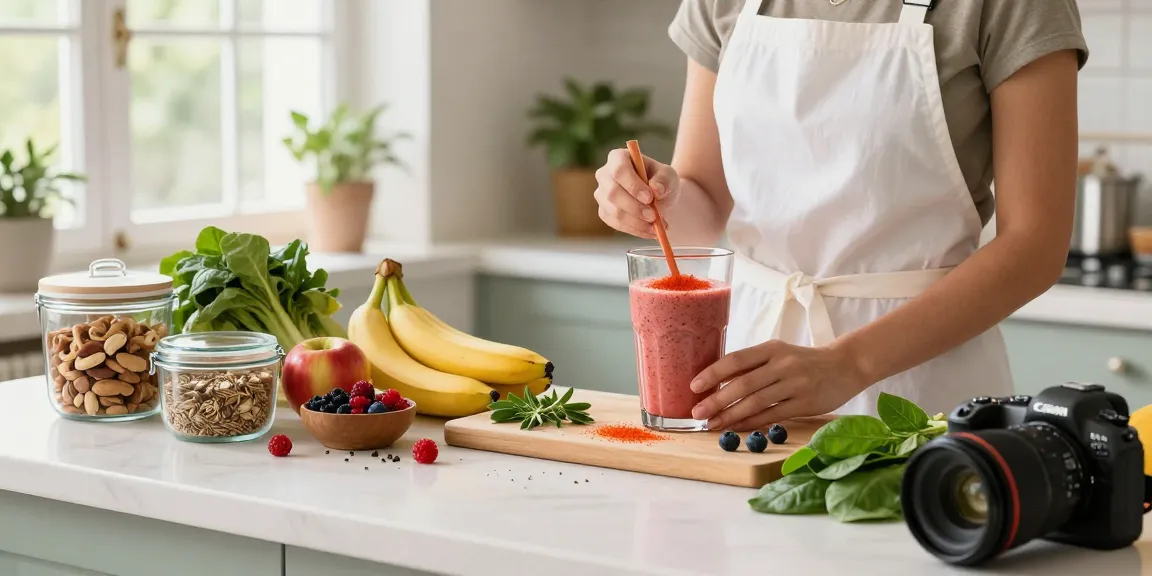
- Astaxanthin Smoothie: Blend ripe mango, spinach, banana, and a teaspoon of spirulina powder for a nutrient-rich drink.
- Salmon Salad: Toss cooked, flaked salmon with leafy greens, cherry tomatoes, and dressing made from avocado oil for a delicious and healthy meal.
- Seaweed Soup: Add nori or dulse to vegetable broth alongside your choice of vegetables for a warming, nutritious soup.
Timing and Dosage Recommendations
For optimal absorption, astaxanthin supplements are best taken with a meal that includes healthy fats, as this aids in the absorption of fat-soluble compounds. Typical dosages range from 4 to 12 mg per day, but it's important to consult with a healthcare provider to determine the right dosage based on your individual health goals.
Combining with Other Nutrients for Optimal Health
Astaxanthin works synergistically with other antioxidants, such as vitamin C and E. Incorporating foods high in these nutrients alongside your astaxanthin supplement can enhance overall health benefits. Foods such as citrus fruits, nuts, and seeds complement astaxanthin’s properties effectively.
Future Trends in Vegan Nutrition and Astaxanthin
Emerging Research on Astaxanthin Benefits
Ongoing research continues to uncover new potential benefits of astaxanthin, particularly regarding its effects on mental health, exercise recovery, and even metabolic health. As the body of research grows, it is likely that astaxanthin will be increasingly recognized as an essential nutrient for not only vegetarians and vegans but for anyone looking to improve their health through dietary adjustments.
Innovative Products in the Vegan Supplement Market
As consumer demand rises, the vegan supplement market has begun to innovate, introducing unique formulations that combine astaxanthin with other beneficial ingredients. This may include blends with turmeric for enhanced anti-inflammatory effects or probiotics for gut health support, creating comprehensive health solutions tailored to modern lifestyle needs.
Consumer Preferences Shaping Future Developments
Today's consumers are more educated and discerning about their health choices. Trends indicate an increasing preference for sustainably sourced, ethically manufactured supplements. Brands that prioritize transparency and sustainability in their operations are likely to thrive in this evolving market landscape.
What are the Benefits of Vegan Astaxanthin Supplements?
Vegan astaxanthin supplements offer a multitude of health benefits ranging from enhanced skin health to improved athletic performance and reduced inflammation. These supplements present a viable option for anyone seeking to boost their antioxidant intake without compromising their dietary values.
How do I choose the best vegan astaxanthin supplement?
To select the best vegan astaxanthin supplement, consider factors such as ingredient quality, source, concentration, and transparency of the brand. Reading reviews and doing your research can help you make an informed decision that aligns with your health goals.
Can astaxanthin help with skin health?
Yes, astaxanthin has been shown to improve skin elasticity and moisture while protecting against UV damage. Its antioxidant properties can help reduce the visible signs of aging, making it a beneficial addition to skincare routines.
What are the best recipes to incorporate astaxanthin?
Incorporating astaxanthin into your diet can be enjoyable and simple. Recipes that include salmon, microalgae smoothies, and seaweed-based dishes are excellent ways to increase your astaxanthin intake while enjoying delicious meals.
How does astaxanthin compare to other supplements?
Astaxanthin stands out among other supplements due to its superior antioxidant capacity and ability to penetrate cellular membranes. Its unique benefits make it a compelling choice for those seeking to enhance their overall health and wellbeing through supplements.