
Understanding Body Fat Percentage Calculator
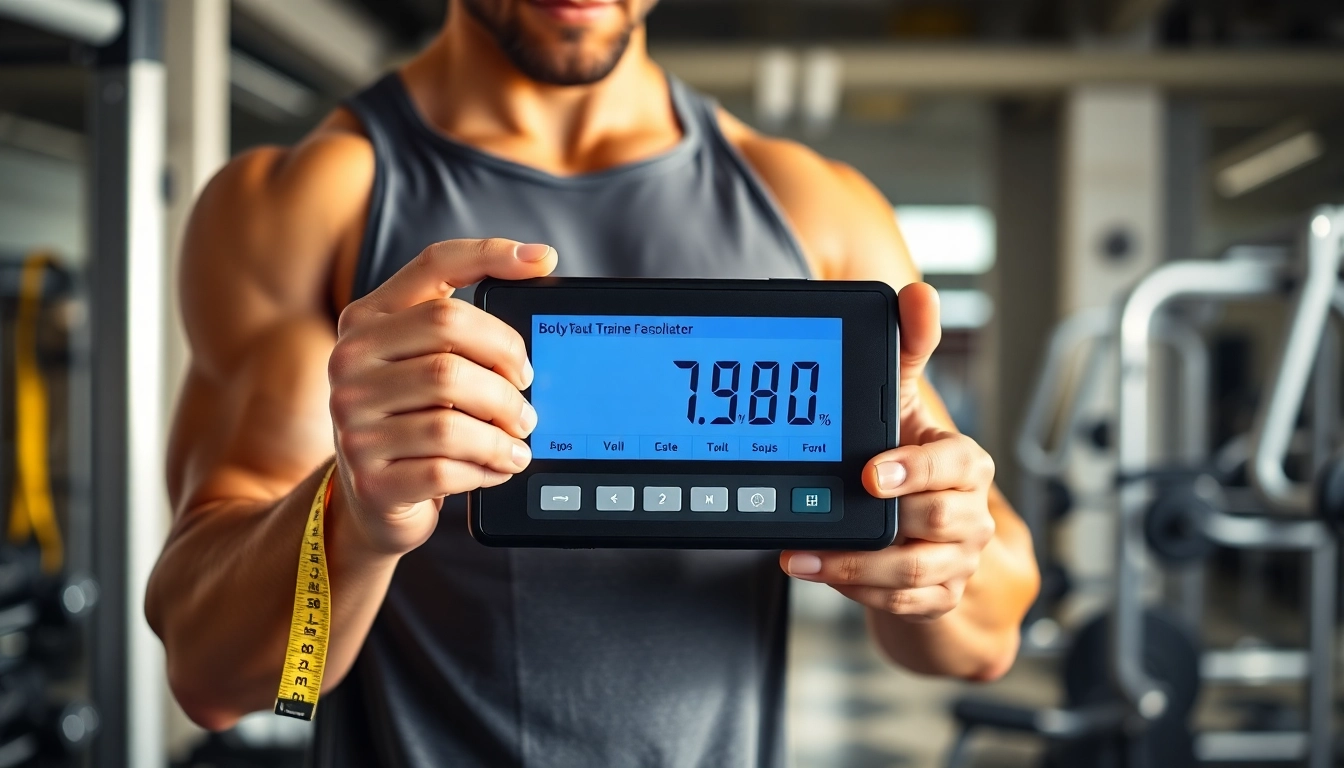
In the journey of health and fitness, understanding body composition plays a vital role. One key metric that fitness enthusiasts and health professionals often utilize is body fat percentage. This number provides more insight than mere weight on a scale; it reveals how much of your total body weight is made up of fat. A body fat percentage calculator serves as a valuable tool for assessing your current body composition and can aid in setting realistic fitness goals.
What is Body Fat Percentage?
Body fat percentage refers to the amount of fat in your body relative to your total weight. For instance, if you weigh 200 pounds and have a body fat percentage of 25%, this means that 50 pounds of your body weight is attributed to fat. The rest of your weight consists of lean mass—muscles, bones, water, and other vital components.
Importance of Knowing Your Body Fat Percentage
Understanding your body fat percentage can provide significant insights into your overall health. It helps to identify potential health risks associated with low or high body fat. For example, excess body fat is linked to various conditions including heart disease, diabetes, and certain cancers. Conversely, too little body fat can impair hormonal functioning and lead to other health issues. Knowing this percentage allows for more tailored health and fitness strategies, rather than merely focusing on weight.
How Body Fat Percentage Differentiates from Overall Weight
It’s essential to differentiate between body fat percentage and overall body weight. Body weight alone does not provide a complete picture; two individuals may weigh the same but have vastly different body compositions. A person with more muscle and less fat can weigh the same as someone who has a higher fat percentage. Therefore, using a body fat percentage calculator adds context to your weight by illustrating specific health considerations tied to body composition.
Methods to Measure Body Fat Percentage
Common Measurement Techniques
Several methods exist for measuring body fat percentage, each varying in accuracy, accessibility, and complexity. The most common techniques include:
- Skinfold Measurements: Using calipers, skinfold measurements assess body fat by pinching various parts of the body. This method requires some training to ensure accuracy.
- Bioelectrical Impedance Analysis (BIA): BIA involves passing a low-level electrical current through the body to estimate fat mass based on resistance. This method is popular in consumer scales and handheld devices.
- Hydrostatic Weighing: Known as underwater weighing, this technique measures body density to calculate body fat percentage. It offers high accuracy but can be inconvenient and costly.
- Dual-Energy X-ray Absorptiometry (DXA): Often used in medical settings, DXA scans provide precise measurements of body fat, lean mass, and bone density.
- Waist-to-Hip Ratio: Comparing the circumference of your waist to your hips can indicate fat distribution and risk for cardiovascular issues, although it doesn’t provide a direct body fat percentage.
Using the Body Fat Percentage Calculator Effectively
When you have access to a body fat percentage calculator, it is crucial to use it correctly for meaningful results. Here are some best practices:
- Measure Accurately: Ensure that the inputs you provide (age, height, weight, etc.) are accurate. Even slight inaccuracies can skew results.
- Consistent Conditions: For the best results, take measurements consistently. Aim to check your body fat percentage under similar conditions such as time of day and hydration levels.
- Combine with Other Data: Use the calculator as one element of your health assessment, combined with other measurements like BMI and waist circumference for a more comprehensive overview.
Comparative Analysis of Different Methods
Each method of measuring body fat percentage comes with its pros and cons. For example, skinfold measurements are inexpensive and accessible, yet they require proper technique for accuracy. On the other hand, DXA scans provide a detailed analysis but may not be readily available and can be expensive. Understanding these differences will help you select a method that fits your needs and goals.
Interpreting the Results from Your Body Fat Percentage Calculator
Healthy Ranges for Body Fat Percentage
Body fat percentage can vary widely based on gender, age, and body type, but generally, the following ranges are considered healthy:
- Men: 6% – 24%
- Women: 16% – 30%
For specific athletic performance goals, these numbers may vary, and athletes often target lower ranges. It’s essential, however, to prioritize health over arbitrary numbers from charts.
What Do Your Results Mean?
After inputting your data into a body fat percentage calculator, interpreting the results is critical in guiding your health journey:
- Below 10% (Men) or 18% (Women): May indicate low body fat; athletes or individuals with low fat need to monitor their health closely.
- 10-20% (Men) or 18-28% (Women): Generally considered a healthy range. This suggests a balanced proportion of fat and lean mass.
- 20-30% (Men) or 28-36% (Women): Approach caution; potential risks may arise from higher fat levels.
- Above 30% (Men) or 36% (Women): Indicates obesity risk; attention to diet and exercise is crucial.
Setting Realistic Goals Based on the Calculator
Once you understand your body fat percentage and its implications, you can set realistic and achievable fitness goals:
- Short-Term Goals: Focus on stabilizing your body fat percentage if you’re above healthy ranges or maintaining it if within healthy limits.
- Long-Term Goals: Plan for sustainable lifestyle changes rather than fad diets; aim for gradual improvements.
- Check-Ins: Regularly revisit the calculator to track progress and adjust goals as needed.
Improving Your Body Fat Percentage
Dietary Changes to Consider
Diet plays a pivotal role in managing body fat percentage. Below are some evidence-based dietary adjustments to consider:
- Incorporate Lean Proteins: Foods like chicken, fish, beans, and legumes can help in muscle maintenance and may promote a higher metabolism.
- Increase Fiber Intake: Fruits, vegetables, and whole grains can aid in digestion and weight management, leading to a healthier body fat percentage.
- Limit Processed Foods: Reduce the intake of sugary snacks, fast food, and other highly processed items, as they often contain hidden sugars and unhealthy fats.
- Monitor Portion Sizes: Pay attention to serving sizes; being mindful of portions can naturally reduce caloric intake.
Exercise Routines to Lower Body Fat
Exercise is vital for improving body fat percentage. A balanced routine should combine:
- Aerobic Activities: Engaging in cardiovascular exercises (running, cycling, swimming) can help burn calories and promote fat loss.
- Strength Training: Lifting weights or doing bodyweight exercises can increase muscle mass, which burns more calories at rest.
- High-Intensity Interval Training (HIIT): Incorporating short bursts of intense activity interspersed with rest periods can improve metabolism and promote fat loss more efficiently.
- Flexibility and Recovery: Including yoga or stretching routines can help in recovery and improve overall physical performance.
Monitoring Progress Over Time
Continual tracking is essential for maintaining awareness of your body fat percentage:
- Regular Measurements: Periodically reassess your body fat percentage to gauge progress.
- Self-Reflection: Consider keeping a journal of your dietary habits and exercise routines to identify what’s working.
- Adjust Plans: Be prepared to tweak your dietary and fitness plans based on your progress, as what works may change over time.
Tools and Resources to Support Your Journey
Additional Online Resources and Calculators
Beyond the body fat percentage calculator, numerous online tools can aid your fitness journey:
- Caloric Needs Calculators: Determine your daily caloric needs based on activity level and metabolic rate.
- Macronutrient Trackers: Utilize apps or websites that help track protein, fat, and carbohydrates.
- Fitness Apps: Many apps provide workouts, meal plans, and monitoring capabilities.
Understanding Related Fitness Metrics
Body fat percentage is just one part of the pie. Understanding related fitness metrics can further enhance your journey:
- Body Mass Index (BMI): While not a direct measure of body fat, BMI can provide insights about weight relative to height.
- Waist-to-Height Ratio: This metric helps assess fat distribution and potential health risks associated with central obesity.
- Physical Work Capacity: Tracking endurance and strength improvements over time can support overall fitness goals.
Community Support and Professional Guidance
Consider joining fitness communities for motivation, tips, and support:
- Online Forums: Participate in fitness-related forums to share experiences and learn from others.
- Professional Trainers: Hiring a personal trainer can provide personalized strategies and accountability.
- Nutritional Guidance: Consulting with a registered dietitian can offer tailored dietary advice for your goals.

