
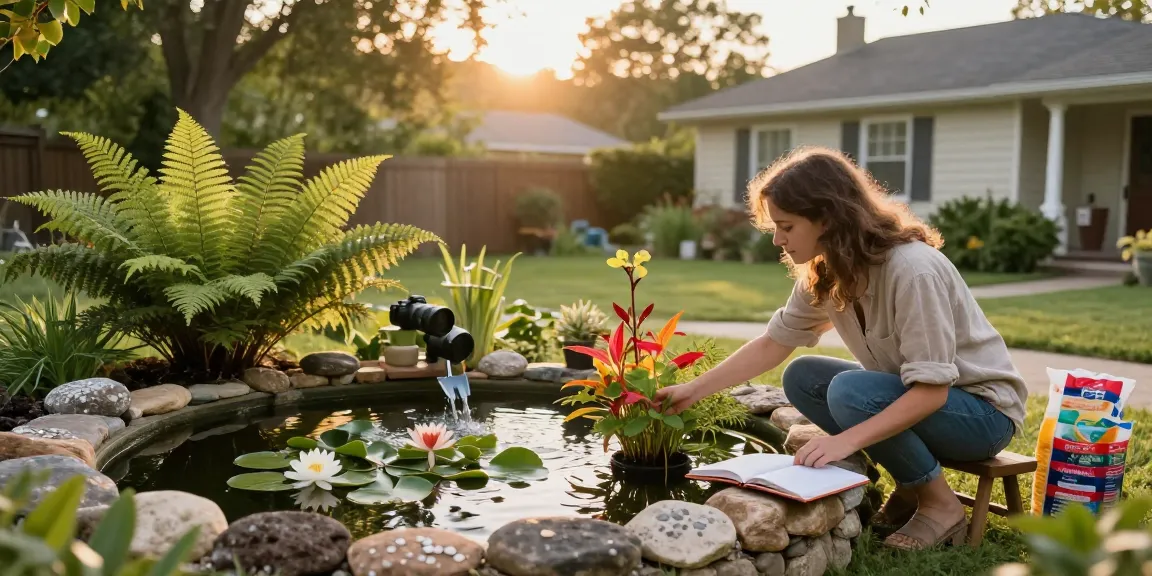
Understanding the Benefits of Buying Pond Plants Online
In recent years, the digital marketplace has transformed the way gardening enthusiasts acquire plants, including pond plants. Buying pond plants online offers a multitude of advantages, from convenience to access to a wide variety of species that may not be available locally. For those looking to enhance their aquatic spaces, Buy Pond Plants Online can be a game-changing choice. The ability to browse and purchase from the comfort of your home not only saves time but also provides opportunities for discovering rare plants that might not be stocked in physical stores.
Why Choose Online Shopping for Pond Plants?
One of the most compelling reasons to choose online shopping for pond plants is the sheer variety available. Unlike local garden centers, which may have limited selections, online retailers often offer extensive catalogs featuring various species tailored to diverse pond environments. This means that whether you’re looking for floating plants, submerged varieties, or marginal pond plants, you can find exactly what you need online.
Advantages of Diverse Plant Selections Available
Online marketplaces frequently stock both common and exotic species. For instance, if you’re interested in popular choices like water lilies or lotuses, you can compare different varieties side by side. Additionally, specialized online stores may feature plants that cater to specific ecosystems or climates. This access to diverse plant selections enables pond owners to create thriving ecosystems that support local wildlife and enhance the beauty of their ponds.
Cost-Effectiveness and Convenience Explained
Buying pond plants online can also be more cost-effective compared to brick-and-mortar stores. Online retailers often run special promotions, discounts, and loyalty programs that can help you save significantly on your purchases. Furthermore, the convenience of shopping anytime, paired with the ability to read customer reviews and product descriptions, ensures that you make informed buying decisions without the stress of navigating crowded aisles.
Choosing the Right Pond Plants for Your Needs
Once you decide to venture into the world of pond plant purchasing, the next step is to determine which plants are best suited to your specific pond. Factors like pond size, water quality, and the local climate play crucial roles in selecting the right flora to promote a healthy aquatic environment.
Popular Aquatic Plants for Various Pond Types
Different types of ponds require different types of plants. For example, in smaller garden ponds, you might consider native species such as water forget-me-not or marsh marigold. Larger ponds, on the other hand, can accommodate more substantial plants like cattails and bulrushes, which help stabilize the banks and provide essential habitats for wildlife.
Matching Plants to Your Pond’s Ecosystem
Understanding your pond’s ecosystem is vital for selecting the right plants. Consider the sunlight exposure each area of your pond receives—some plants thrive in full sun, while others prefer shady conditions. Additionally, assessing the water’s nutrient content and pH level can guide you toward plants that will flourish in your pond environment.
Seasonal Considerations When Selecting Plants
Timing is everything when it comes to planting. Spring is often the best time to introduce new plants to your pond, while fall can be ideal for planting hardy perennials that will overwinter. Seasonal weather conditions also influence plant selection—ensure you choose plants that can withstand your local climate changes while maintaining their visual appeal year-round.
How to Successfully Order Pond Plants Online
Ordering pond plants online is a straightforward process, but several key factors can help ensure a successful shopping experience. From evaluating the quality of online retailers to understanding shipping logistics, being well-informed is essential.
Evaluating Online Retailers for Quality and Trust
Before making your purchase, research the online retailers you are considering. Look for customer reviews, product ratings, and any certifications that could indicate the quality of the plants offered. Reputable vendors often provide clear descriptions of their plants, including care instructions and compatibility with various pond environments.
Understanding Shipping Options and Plant Care During Transit
Shipping can impact the health of your plants upon arrival, so it’s vital to understand the offered shipping methods. Choose retailers that use insulated boxes and ensure plants are packed securely to minimize damage. Familiarize yourself with any care instructions provided by the retailer, especially if your plants will be in transit for an extended period.
Suggested Timelines for Ordering and Planting
For best results, plan your orders according to planting season. Generally, placing orders a few weeks before the last frost ensures your plants will thrive once they arrive. Keeping an eye on local weather patterns can help you gauge the optimal time for planting to give your new pond plants a head start.
Best Practices for Maintaining Healthy Pond Plants
Once your pond plants are in place, maintaining their health and vitality is crucial. Healthy plants contribute not only to the pond’s aesthetic but also to its ecological balance, managing algae growth and providing habitat for wildlife.
Essential Care Tips for Aquatic Plants
Regular maintenance is essential for the longevity of your pond plants. Be sure to regularly check water quality parameters, including pH and nutrient levels. Nutrient imbalances can lead to unhealthy plant growth or even die-off. Additionally, pruning dead or decaying plant materials prevents the buildup of organic debris and promotes healthier growth.
Managing Pests and Diseases in Your Pond
Pond plants, like any garden plants, can be susceptible to pests and diseases. Keep an eye out for common pests, such as aphids or snails, which can undermine plant health. Employ natural pest management strategies, such as introducing beneficial insects or utilizing organic treatments, to keep your plants thriving.
How to Encourage Growth and Blooming
To promote vibrant growth and blooming, ensure your pond plants receive the right amount of sunlight. Fertilization may also be beneficial, depending on the plant types and water conditions. Always opt for pond-friendly fertilizers to avoid harming the aquatic ecosystem.
Future Trends in Pond Plants for 2026 and Beyond
As we look toward the future, the field of pond gardening is evolving rapidly. Innovations in gardening techniques and sustainability practices are paving the way for a new era of pond plants that are not only beautiful but also environmentally friendly.
Innovations in Aquaculture and Plant Selection
The integration of technology into aquaculture is on the rise, with advancements in hydroponics and aquaponics shaping the future of plant selection. Homeowners may soon embrace smart gardening practices that allow for optimal growth conditions, reducing the reliance on chemical inputs and improving overall pond health.
Sustainability Practices in Plant Sourcing
As awareness of environmental issues grows, sustainable sourcing practices for pond plants are also gaining traction. Many retailers are now offering native plant options that support local ecosystems and enhance biodiversity, making it easier for gardeners to contribute positively to their environment.
Community Trends: Sharing and Exchanging Pond Plants
A growing trend among gardening communities is the sharing and trading of pond plants. Local plant swaps and online forums encourage enthusiasts to exchange cuttings and seedlings, fostering a collaborative spirit that benefits both the gardeners and their ponds.
What types of pond plants are best for beginners?
For first-time pond owners, starting with hardy, low-maintenance plants is advisable. Options like water lilies, duckweed, and water hyacinth are user-friendly and can establish a balanced ecosystem quickly.
How can I ensure my online order arrives healthy?
Select reputable online retailers with good customer reviews and ensure they use appropriate packaging to protect plants during shipping.
What are the common challenges in maintaining pond plants?
Common challenges include algae overgrowth, pest infestations, and nutrient imbalances. Regular monitoring and care can mitigate these issues effectively.
Can pond plants thrive in all climates?
Not all pond plants are suited for every climate. It’s essential to choose species adapted to your local conditions, ensuring their successful growth.
How do I know which plants are native to my area?
Researching local flora through extension services or native plant societies can help identify local species suited for your pond environment.

