
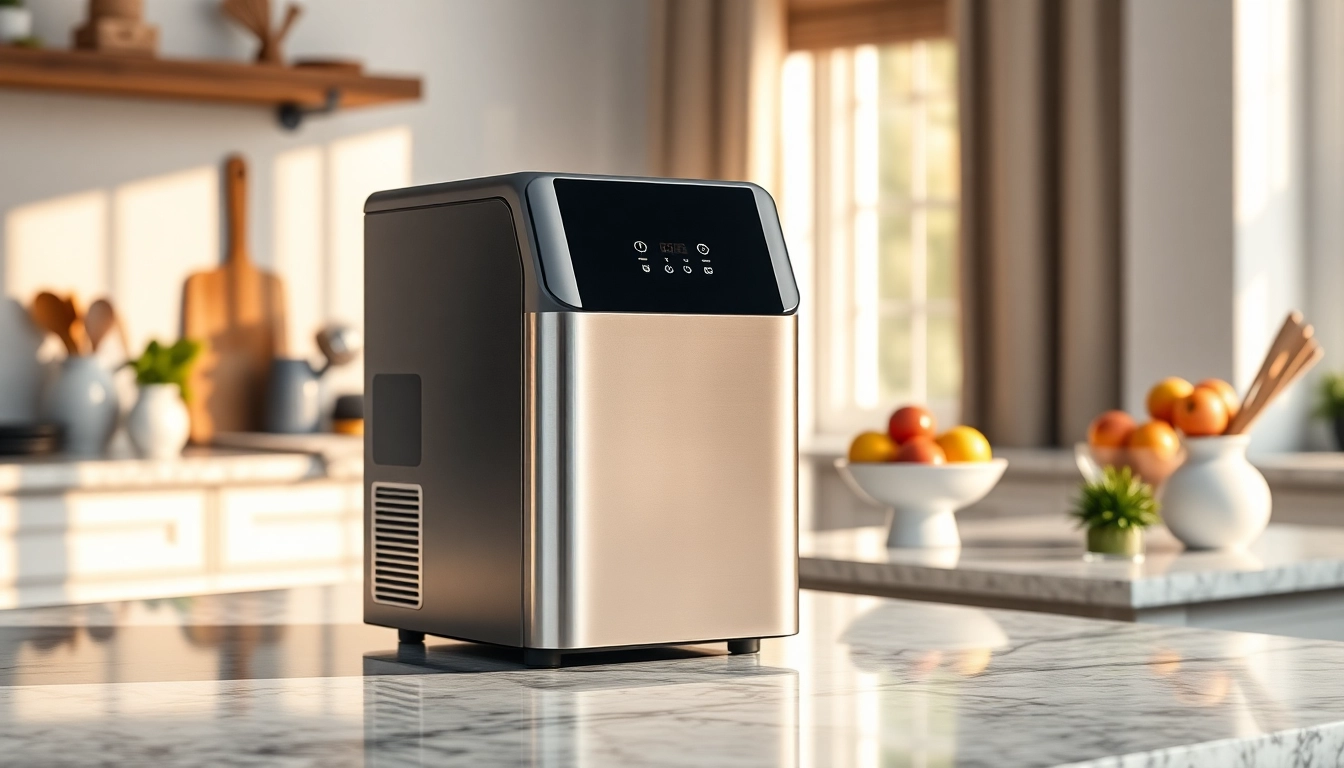
Understanding the Ice Maker: Basics and Benefits
What is an Ice Maker?
An ice maker is a device designed to produce ice. These machines can be found in various home appliances, including refrigerators, and as standalone units. They transform water into ice automatically through a simple cycle of freezing water, then harvesting the ice as it forms. Ice makers serve various purposes, from keeping drinks cold to enhancing food presentations. They range in size and capability, catering to both residential and commercial needs.
Key Advantages of Using an Ice Maker
Utilizing an ice maker comes with several advantages:
- Convenience: Automatic ice production eliminates the need for manual ice tray filling and the hassle of shopping for ice.
- Freshness: Ice makers generate clean, fresh ice on-demand, reducing the risk of pollutants or odors from old ice.
- Versatility: They can produce various types of ice, suitable for different beverages and culinary uses, such as ice cubes, crushed ice, or nuggets.
- Space-Saving: Many models are compact enough to fit on countertops, making them ideal for smaller kitchens or recreational areas.
- Cost-Effective: Over time, a home ice maker can save money by reducing the need to purchase ice bags.
Types of Ice Makers to Consider
When selecting an ice maker, it’s essential to understand the various types available:
- Portable Ice Makers: Compact and easy to move; ideal for homes, parties, and travel.
- Countertop Ice Makers: These sit on kitchen counters and can produce varying quantities of ice per day.
- Under-Counter Ice Makers: More permanent solutions that fit under kitchen cabinets, they typically have a higher production capacity.
- Commercial Ice Makers: These units serve high-volume needs in restaurants and bars, producing large quantities of ice quickly.
Essential Features of an Ice Maker
Ice Production Capacity
The ice production capacity is one of the most critical factors to consider when purchasing an ice maker. This refers to the amount of ice the machine can produce in 24 hours. Production rates can vary significantly, from as little as 20 pounds to over 100 pounds per day. It’s vital to assess your ice usage habits to choose a model that meets your needs without wasting energy or resources.
Design and Size Considerations
Ice makers come in various sizes and designs. When selecting one, consider the space available in your kitchen or bar area. Measure the designated spot for the ice maker to ensure a proper fit, and examine the design to ensure it complements your home or business decor. Many modern units offer sleek designs, enhancing aesthetic appeal while being functional.
Energy Efficiency Ratings
Energy efficiency is crucial for both cost savings and environmental impact. Selecting an ice maker with a favorable energy rating can lead to lower electricity bills and reduced carbon footprint. Look for models that are Energy Star certified, as these meet strict energy efficiency guidelines set by the U.S. Environmental Protection Agency.
How to Choose the Right Ice Maker for Your Needs
Assessing Your Ice Requirements
Consider how much ice you typically use. This might vary based on the number of people in your household or how often you entertain guests. If you frequently host gatherings or use ice in cocktails, a higher-capacity model would be beneficial. Conversely, if your use is sporadic or minimal, consider a smaller, portable option.
Budgeting for Your Ice Maker Purchase
Ice makers come at various price points, with portable options starting at lower prices and commercial units reaching higher ranges. Determine your budget before shopping and consider not just the purchase price but also the anticipated operating costs, including water and electricity.
Top Brands and Models Overview
While many brands offer ice makers, focus on those with a strong reputation for reliability and customer service. Check online reviews, expert reviews, and customer feedback to evaluate their performance and durability. Leading features often include quick ice-making cycles, low maintenance, and high production rates.
Installation and Maintenance of Your Ice Maker
Installation Steps for Your Ice Maker
Proper installation is vital for the optimal performance of your ice maker:
- Choose an appropriate location with adequate ventilation and accessibility to a water source.
- Follow the manufacturer’s instructions to connect the water line securely.
- Ensure the ice maker is leveled correctly to avoid any operational issues.
- Plug in the unit and allow it to run its initial cycle, typically outlined in the product manual.
Routine Maintenance for Longevity
Regular maintenance is essential to keep your ice maker functioning efficiently:
- Cleaning: Clean the interior and exterior every few months. Use a mixture of vinegar and water to remove any buildup.
- Filter Replacement: If your unit has a water filtration system, replace filters as recommended by the manufacturer.
- Inspection: Regularly inspect water lines and connections for leaks or damage.
Troubleshooting Common Ice Maker Issues
Ice makers can experience various issues. Common problems include:
- No Ice Production: Check the water supply connection and ensure the unit is plugged in and operational.
- Low Ice Production: This might be caused by insufficient water supply or the need for a cleaning cycle.
- Ice Tasting Bad: Clean the ice maker regularly and ensure that the water supply is fresh and free from contaminants.
Maximizing the Use of Your Ice Maker
Creative Ways to Use Ice in Drinks and Dishes
Ice can elevate various culinary experiences. Consider these creative applications:
- Add flavored syrup to ice for refreshing summer treats.
- Use ice in smoothies to achieve a frosty texture.
- Present chilled seafood or salads over a bed of ice for a restaurant-style platter.
Hosting Tips: Ice Maker for Parties
For gatherings, an ice maker can significantly enhance the experience:
- Prepare a variety of drinks, including cocktails, smoothies, and soft drinks.
- Offer crushed ice for guests who prefer it for their beverages.
- Consider arranging ice sculptures or themed ice treats for special occasions.
Health and Safety Best Practices
Utilizing ice safely is crucial. Always:
- Ensure cleanliness by regularly maintaining your ice maker.
- Use clean utensils to handle ice and avoid cross-contamination.
- Store ice in a clean container with a lid to prevent contamination from the surrounding environment.
Frequently Asked Questions
1. How much ice can an ice maker produce in a day?
Ice makers vary in production rates, typically ranging from 20 to 100 pounds of ice per day, depending on the model.
2. Can I use well water in my ice maker?
Yes, but you should ensure the water is filtered and free from impurities to maintain ice quality.
3. How often should I clean my ice maker?
Cleaning every 1-3 months is recommended, or more frequently if the ice tastes off or shows discoloration.
4. Is it safe to eat ice made from tap water?
Typically yes, but ensure your tap water is clean and safe for consumption to prevent contamination.
5. How long does it take to make ice?
Most ice makers can produce a batch of ice in 6 to 15 minutes, depending on the design and ambient conditions.


