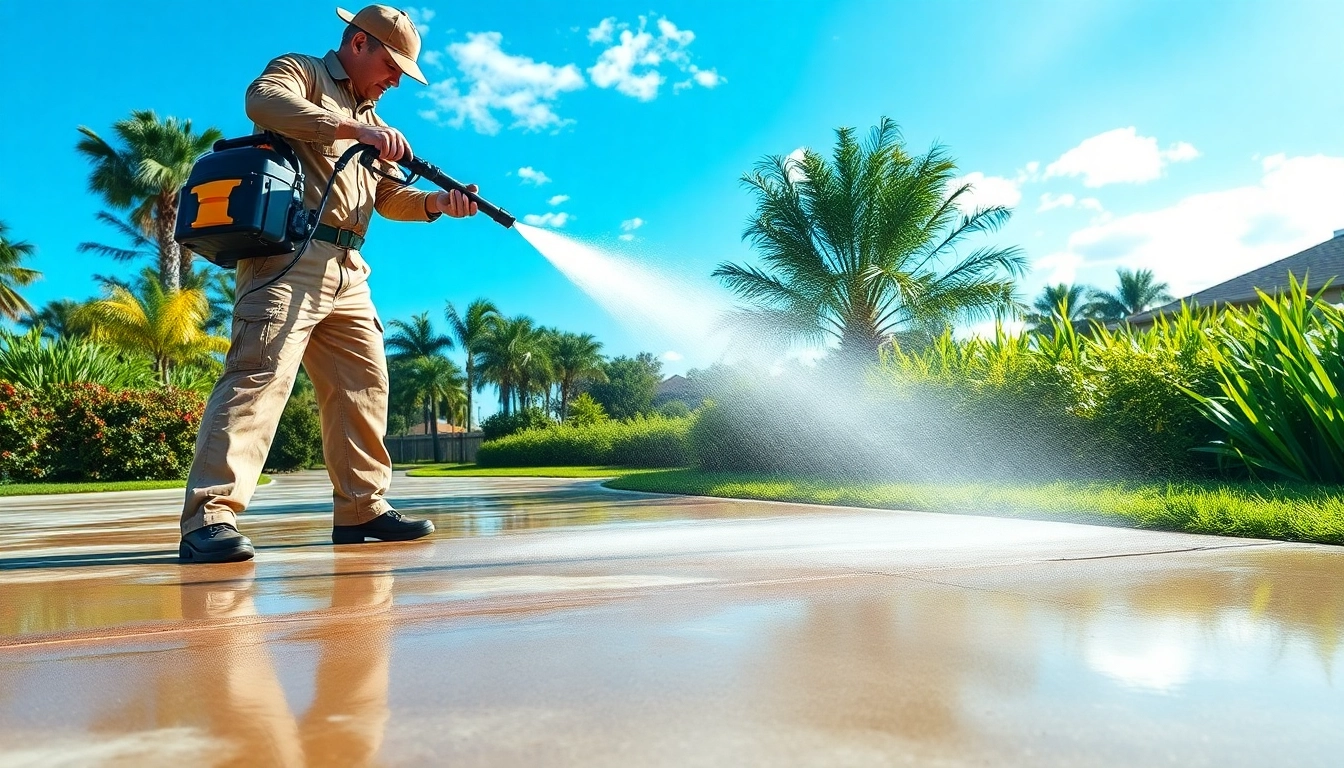
Understanding Concrete Cleaning Techniques
Concrete cleaning is essential for maintaining not only the aesthetics but also the safety and longevity of your paved surfaces, patios, and driveways. As external elements like dirt, oil stains, mold, and algae accumulate on concrete surfaces, neglecting regular cleaning can lead to significant degradation, making cleaning an imperative task. The right techniques can restore your concrete's appearance, preventing premature wear and tear. If you're looking to understand more about concrete cleaning, you're in the right place!
What Is Concrete Cleaning?
Concrete cleaning refers to a range of processes aimed at removing contaminants from concrete surfaces. This includes dirt, grease, stains, mold, mildew, and anything else that can tarnish the surface. Properly executed, concrete cleaning not only enhances the visual appeal but also helps in retaining the material's integrity. There are various methods to achieve a clean concrete surface, and knowing which one to use can save time, labor, and resources.
Common Methods of Concrete Cleaning
- Pressure Washing: This method employs high-pressure water spray to remove dirt and grime. Effective for large areas, it can remove stubborn stains.
- Soft Washing: Using low-pressure water combined with eco-friendly cleaning solutions, soft washing is gentle yet effective for surfaces prone to damage.
- Chemical Cleaning: Specialized chemical cleaning products are used to dissolve oil, grease, and stains. This method is often used alongside pressure washing for best results.
- Scrubbing: Manual scrubbing with brushes and cleaning solutions is often needed for areas with severe staining or intricate designs.
Benefits of Professional Concrete Cleaning Services
While DIY options exist, hiring professionals for concrete cleaning boasts numerous advantages. Professionals bring experience, specialized equipment, and eco-friendly cleaning agents. They can assess the condition of your concrete and recommend the appropriate cleaning method, ensuring not just cleanliness but also preservation of the material.
Preparing for Concrete Cleaning
Preparation is critical for effective concrete cleaning. Before moving forward with cleaning, it’s essential to assess the surface, gather tools, and ensure safety. Taking the time to prepare properly can enhance the overall outcome and longevity of your clean surface.
Assessing the Condition of Your Concrete
The first step is to closely inspect the concrete for cracks, chips, or any structural issues. Depending on the severity of these problems, additional steps may need to be taken before cleaning to avoid further damage or complications.
Essential Tools and Equipment for Effective Cleaning
Tools required for concrete cleaning can range from simple brushes and brooms to specialized equipment such as pressure washers and chemical dispensers. Here’s a quick list of essentials:
- Pressure Washer
- Soft Brush or Deck Brush
- Eco-Friendly Cleaning Solutions
- Protective Gear (gloves, goggles)
- Concrete Sealer (for post-cleaning treatment)
Safety Precautions to Consider Before Cleaning
Safety should always be a priority. When using a pressure washer, ensure you understand how to operate it correctly to avoid injury. Protective gear is a must to safeguard against harmful chemicals and high-pressure water.
Choosing the Right Cleaning Solution
Choosing a cleaning solution is critical in achieving optimal results. The wrong products can not only fail to clean effectively but may also damage the surface.
Commercial vs. DIY Cleaning Products
While DIY cleaning solutions can be effective for minor stains, commercial-grade products usually offer a more potent solution for heavy-duty cleaning tasks. When selecting a product, evaluate the extent of the stains and the surface conditions.
Eco-Friendly Options for Concrete Cleaning
With an increased focus on sustainability, many manufacturers are developing eco-friendly cleaning products. These options can provide effective cleaning without the harmful impact of traditional chemical products, making them a wise choice for conscientious property owners.
Understanding Chemicals Used in Concrete Cleaning
Common chemicals used in concrete cleaning include sodium hypochlorite, hydrogen peroxide, and various biodegradable soaps. Each serves a specific purpose, such as dealing with stains, mold, or heavy grime. Understanding these chemicals can help you decide on the best solution for your needs.
Implementing Concrete Cleaning Techniques
Now that you're prepared, it’s time to implement your chosen cleaning technique. Below is a step-by-step guide to ensure a thorough clean.
Step-by-Step Guide for Pressure Washing Concrete
- Start by clearing all furniture and obstacles off the concrete surface.
- Apply a pre-treatment solution to loosen up any tough stains, allowing it to sit for the recommended time.
- Set up your pressure washer according to the manufacturer's instructions, paying careful attention to safety guidelines.
- Begin pressure washing from the farthest point back toward the exit. Use a consistent sweeping motion to ensure even cleaning.
- Rinse the surface thoroughly to remove all cleaning solutions and debris.
- Allow it to dry and consider applying a concrete sealer afterward to protect the newly cleaned surface.
Soft Washing Techniques for Delicate Concrete
For more delicate surfaces, a soft washing technique should be employed. Mix an eco-friendly cleaning solution with water and apply it with low pressure. This will safely lift dirt and stains without damaging the concrete.
Post-Cleaning Treatments to Maintain Cleanliness
After cleaning, applying a concrete sealer can help protect the surface from future staining and weather damage. This treatment enhances durability and prolongs the lifespan of your concrete.
Maintaining Your Clean Concrete Surface
To ensure your concrete surfaces remain clean and well-maintained after a thorough cleaning, follow these routine maintenance tips:
Routine Cleaning Tips for Longevity
- Regularly sweep and remove debris to prevent staining and algae build-up.
- Address spills immediately using appropriate cleaning methods.
- Consider seasonal cleaning to tackle tough winter stains such as salt or snow residue.
When to Schedule Professional Cleanings
As a general guideline, consider scheduling professional cleanings at least once a year, or more frequently if your concrete surfaces endure heavy traffic or are subject to harsh environmental conditions.
Common Concrete Issues and Their Solutions
Concrete surfaces can face various issues over time, including cracks, discoloration, and more. Addressing these issues promptly with the right cleaning solutions or by scheduling professional services can save money in the long run.