Understanding Double Girder Bridge Cranes
In modern industrial environments, efficiency and safety are paramount. One of the key pieces of equipment that significantly enhances operational capabilities is the double girder bridge crane. These cranes are specifically designed to handle heavier loads and meet the diverse demands of various industries. This article delves into the intricacies of double girder bridge cranes, their advantages, design considerations, maintenance best practices, and real-world applications that showcase their vital role in improving productivity.
What is a Double Girder Bridge Crane?
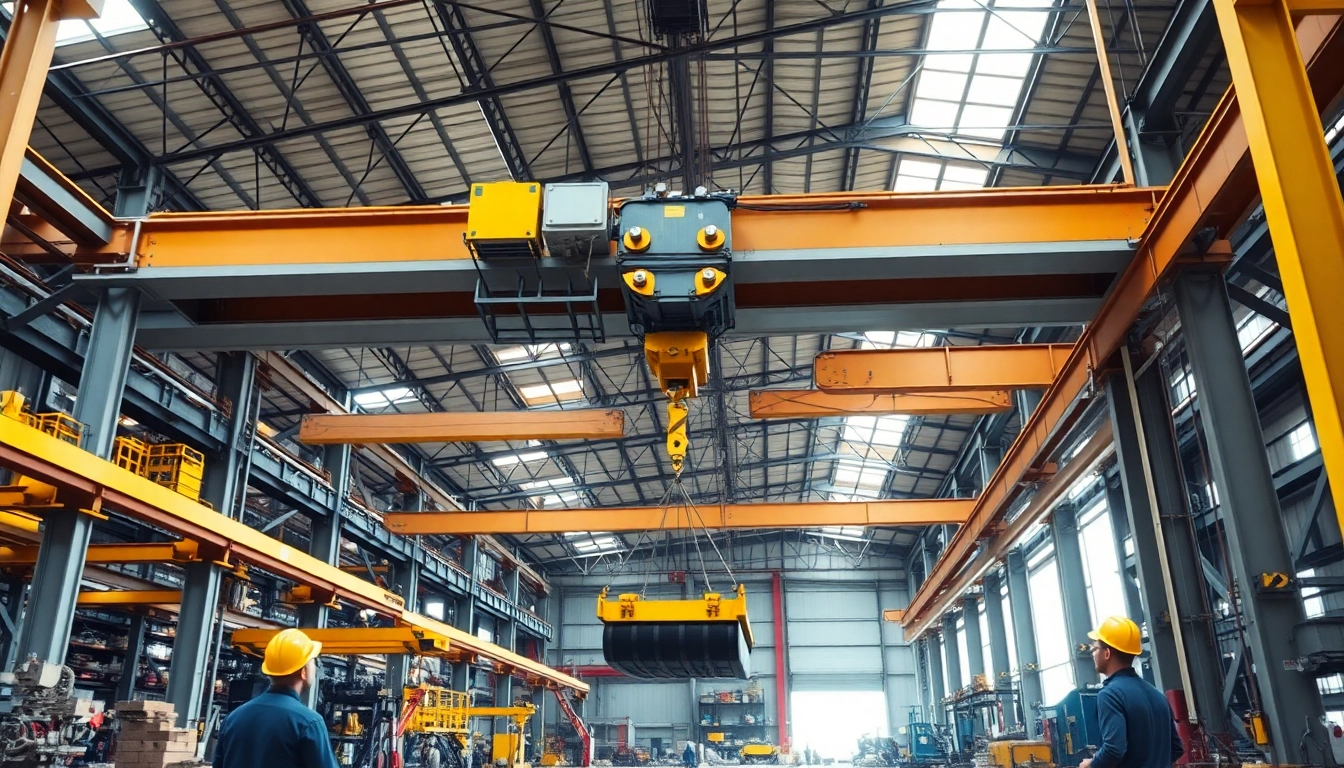
A double girder bridge crane consists of two parallel girders that span the width of the work area, creating a robust framework for lifting operations. Unlike single girder cranes, which have a single beam with the hoist mounted underneath, double girder cranes offer enhanced strength and load-bearing capacity. This design allows them to accommodate heavier loads, making them ideal for applications where precision and stability are critical.
Key Components and Functionality
The main components of a double girder bridge crane include:
- Main Girders: The two horizontal beams that support the weight of the load and the trolley.
- End Trucks: Mounted on each end of the girders, these components enable the crane to move along the runway.
- Hoist: The lifting mechanism that can be configured for various load capacities and types.
- Trolley: Moves along the girders, allowing for lateral movement of the load.
This configuration maximizes horizontal and vertical lifting capabilities, offering unparalleled flexibility in maneuvering heavy items across extensive distances.
Applications in Heavy Industry
Double girder bridge cranes are suitable for a wide range of applications, particularly in sectors such as manufacturing, construction, and warehouse distribution. They are commonly used for:
- Steel Fabrication: Lifting heavy steel beams and plates for construction projects.
- Automotive Manufacturing: Moving large components and assemblies efficiently.
- Shipbuilding: Handling significant loads and heavy machinery in shipyards.
These cranes significantly enhance workflow efficiency by reducing the time required for loading and unloading materials, which is essential for maintaining productivity in competitive industrial environments.
Advantages of Double Girder Bridge Cranes
Higher Load Capacity Compared to Single Girders
One of the most significant advantages of double girder bridge cranes is their ability to lift heavier loads. With a typical load capacity exceeding 10 tons and spans ranging from 60 to over 150 feet, they surpass the limitations of single girder cranes. This makes them ideal for industries where heavy lifting is routine.
Increased Stability and Safety Features
The design of double girder cranes provides enhanced stability during operation. This is crucial for safety, particularly when handling loads that require precision positioning. Additionally, many modern designs incorporate advanced safety features such as overload protection and anti-collision systems, ensuring secure operation even in demanding environments.
Versatility Across Various Industries
Double girder bridge cranes are adaptable to a wide variety of settings. They can be customized for specific applications, including:
- Automotive assembly lines
- Heavy machinery handling
- Storage facilities with automated systems
This versatility allows businesses to optimize their material handling processes and improve operational efficiency.
Design Considerations for Double Girder Cranes
Choosing the Right Specifications for Your Needs
Selecting the appropriate specifications for a double girder crane is critical to its performance. Considerations include:
- Load Capacity: Determine the maximum weight the crane will need to lift.
- Span Length: Assess the distance between the runway beams.
- Headroom Requirements: Ensure enough vertical space for operations.
These factors will influence both the design and the operational capabilities of the crane.
Integration with Existing Systems
For industries that already have material handling systems in place, integrating a new double girder crane can be complex. Factors to consider include:
- Compatibility with existing equipment
- Space constraints
- Power supply and control systems
A thorough evaluation of these elements will help ensure a smooth integration process, minimizing disruptions to daily operations.
Future Trends in Crane Design
The crane industry is evolving, with trends leaning towards automation and smart technology. Future double girder cranes may incorporate:
- IoT Sensors: For real-time monitoring of load and health metrics.
- AI Integration: To optimize lifting patterns and reduce energy consumption.
- Remote Operation Capabilities: Enhancing safety and efficiency in hazardous environments.
Keeping abreast of these trends will help industries maintain a competitive edge and improve operational standards.
Maintenance Best Practices for Long-Term Performance
Regular Inspections and Safety Checks
Regular maintenance is essential for ensuring the longevity and reliability of double girder bridge cranes. Conducting routine inspections can help identify potential issues before they escalate. Recommended practices include:
- Routine visual inspections for signs of wear and tear
- Testing safety features and controls
- Scheduled lubrication of moving parts
These activities help maintain operational integrity and enhance safety in the workplace.
Common Issues and Troubleshooting
Operators should be aware of common issues that may arise, including:
- Overloading: Can lead to mechanical failure.
- Trolley malfunctions: May hinder movement and efficiency.
- Electrical failures: Affect control systems and operation.
Having a troubleshooting guide and response plan can minimize downtime and ensure smooth operations.
Improving Lifespan Through Preventive Care
Investing in preventive maintenance can substantially prolong the lifespan of double girder cranes. This includes:
- Conducting periodic professional assessments
- Keeping a detailed maintenance log to track repairs and inspections
- Implementing upgrades to outdated systems and components
Following these practices will help ensure optimal performance and enhance safety in operations.
Case Studies: Success Stories with Double Girder Cranes
Industry Leaders Implementing Double Girders
Several industry leaders have successfully integrated double girder bridge cranes into their operations. For instance:
- Automotive manufacturers: Utilized double girder cranes to streamline their assembly lines, reducing cycle time significantly.
- Construction firms: Employed these cranes for heavy lifting on skyscraper projects, allowing for greater load management and operational efficiency.
These success stories illustrate the potential for double girder cranes to transform operational workflows.
Innovative Solutions for Load Challenges
Companies facing unique load challenges have turned to double girder cranes for tailored solutions. Custom designs have allowed firms to:
- Handle oversized components with ease
- Reduce labor costs by automating heavy lifting tasks
- Enhance safety standards in hazardous environments
Such innovations are key to responding to the evolving needs of various industries.
Measuring Efficiency and Productivity Gains
Assessing the efficiency and productivity gains from implementing double girder cranes can be achieved through:
- Performance metrics: Tracking lifting speed and load handling capabilities.
- Cost analysis: Evaluating savings through reduced labor and downtime.
- Employee feedback: Gaining insights on the usability and safety improvements associated with new systems.
These evaluations not only justify the investment but also guide future upgrades and enhancements.