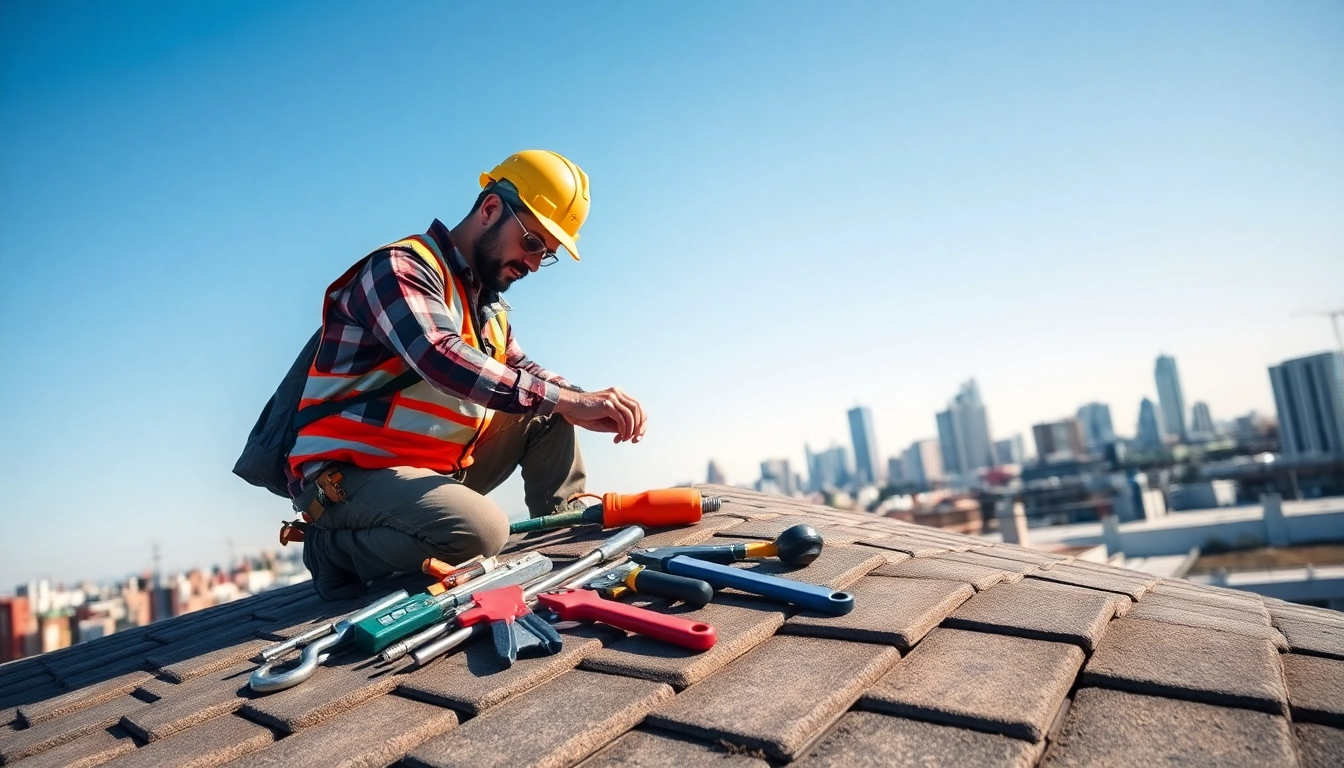
Understanding Professional Roofing Services
When it comes to maintaining your home, the roof is one of the most critical components. It protects you from the elements, ensures comfort, and contributes significantly to your property’s aesthetics. Engaging Professional roofing services can help safeguard this critical structure, offering benefits that go beyond mere protection. In this comprehensive guide, we will explore the importance of quality roofing, the various services offered by professionals, the materials commonly used, and much more.
Importance of Quality Roofing in Home Maintenance
A roof is far more than just an overhead shelter; it plays a key role in overall home maintenance. Quality roofing ensures that your house is energy-efficient, reduces heating and cooling costs, and prevents water damage, pest infestation, and structural decay. A well-maintained roof can increase the value of your property significantly, making it a wise investment.
Moreover, roofing issues can often be symptoms of larger problems. Investing in professional services provides not just a solution to surface-level issues but also an opportunity to assess potential underlying challenges. By addressing these concerns early through preventative maintenance and timely repairs, homeowners can avoid costly future repairs.
Types of Professional Roofing Services Offered
Professional roofing services encompass a broad spectrum of offerings tailored to meet various needs. Here are some common types:
- Roof Inspection: Regular inspections help in the early detection of issues that may not be visible from the ground.
- Roof Repair: This includes fixing leaks, replacing damaged shingles, or repairing flashing and gutters.
- Roof Replacement: When repairs are no longer viable, a complete roof replacement may be necessary.
- Maintenance Services: Regular maintenance ensures that the roof remains in optimal condition.
- Emergency Services: These are crucial during unforeseen events such as storms or accidents.
Common Roofing Materials and Their Benefits
Different roofing materials come with unique characteristics, advantages, and aesthetic appeal. Here’s a breakdown of some commonly used materials:
- Asphalt Shingles: Popular for their affordability and ease of installation, they come in a variety of colors and styles.
- Metal Roofing: Known for durability and low maintenance, metal roofs can last for decades while providing excellent insulation.
- Tile Roofing: Renowned for its aesthetic appeal and longevity, tile is fire-resistant and can withstand severe weather.
- Flat Roofing: Typically used on commercial buildings; flat roofs provide easy access for maintenance, though they require specific drainage solutions.
- Wood Shingles: Offering a traditional look, wood shingles provide natural insulation but require regular maintenance to avoid decay.
Choosing a Professional Roofing Contractor
Selecting the right roofing contractor is crucial to ensuring the longevity and safety of your roof. But how can a homeowner identify a reliable contractor amidst a sea of options? Here are some essential considerations.
Key Qualities of a Reliable Contractor
When searching for a roofing contractor, consider the following qualities:
- Licensing and Insurance: Ensure that the contractor is properly licensed and has liability insurance to protect both parties in case of accidents.
- Experience: Evaluate the contractor’s expertise in the specific type of roofing work you require.
- Reputation: Look for online reviews and referrals from past clients to gauge the contractor’s reliability.
- Warranty: A good contractor should offer warranties on their workmanship and the materials used.
- Transparency: They should provide detailed estimates and be open to discussing the project approach.
Questions to Ask Before Hiring
Before making a final hire, consider conducting an interview with prospective contractors. Here are key questions to ask:
- What is your work process from start to finish?
- Can you provide references from similar projects?
- What kind of insurance do you carry, and can I see the certificate?
- How do you handle unexpected issues during the project?
- What are the estimated timelines for completion?
Understanding Detailed Quotes and Estimates
Getting a detailed quote is essential before committing to a roofing project. A professional contractor should provide a breakdown that includes material costs, labor, timeline, and payment terms. Reviewing these elements can help you compare estimates from different contractors effectively and ensure there are no hidden fees.
The Roofing Process Explained
Understanding the roofing process can help you prepare for the project and what to expect from start to finish. Here’s an overview of the stages involved:
Initial Inspection and Assessment
The roofing process begins with an inspection by professionals who can assess the condition of your existing roof. This initial evaluation helps to identify any visible problems, such as missing shingles or water stains, and may include a more thorough assessment of the structure beneath the roof.
Preparation and Material Selection
Once the assessment is complete, the contractor will discuss the necessary repairs or replacement options. Choosing the right materials is essential for both the aesthetics and longevity of your roof. The contractor will guide you through material options based on your needs, budget, and the climate in your area.
Execution of Roofing Work
Once everything is agreed upon, the roofing work can proceed. This phase includes removing old roofing materials if any, preparing the substrate, and installing the new roofing system. Throughout this process, constant communication between the homeowner and the contractor is crucial to ensure quality work.
Maintenance Tips for Long-lasting Roofs
Regular Inspections and Maintenance Routines
Conducting regular roof inspections—ideally bi-annually and after severe weather events—can catch problems early. Homeowners can perform visual inspections themselves, looking for signs of damage like missing shingles or algae growth, but it’s wise to engage professionals for a more thorough evaluation.
Signs Your Roof Needs Repair or Replacement
Knowing the signs that your roof may need attention is crucial for maintaining its integrity. Common signs include:
- Curled or missing shingles.
- Dry rot or mold growth in the attic.
- Water stains on ceilings and walls.
- Ponding water on the roof surface.
- Increased energy bills due to heating or cooling loss.
Seasonal Care Practices for Optimal Performance
Seasonal care practices can greatly extend the life of your roof. This involves cleaning gutters, removing debris, checking for ice dams in winter, and ensuring proper ventilation in the attic to prevent moisture buildup during the warmer months.
Cost Factors in Professional Roofing Services
Understanding the costs associated with roofing will help you budget effectively. Here are some critical factors that affect roofing costs:
Average Costs for Different Roofing Projects
The average cost of roofing projects can vary based on material type, project size, and labor costs. Typical expenses might range from:
- Asphalt shingle roofing: $3,000 - $10,000.
- Metal roofing: $5,000 - $15,000.
- Tile roofing: $7,000 - $20,000.
- Flat roofing: $2,500 - $6,000.
Each project is unique, so getting quotes from multiple contractors is wise for an accurate assessment.
How to Budget for Your Roofing Needs
Budgeting for a roofing project involves calculating material costs, labor, potential unexpected repairs, and additional features like skylights or vents. It helps to set aside an emergency fund to cover unforeseen expenses that may arise during the project.
Financing Options Available for Homeowners
Many contractors offer financing solutions to help homeowners manage costs better. Options may include loans, payment plans, or grants for energy-efficient upgrades. It is crucial to explore these options, especially for larger roofing projects that may strain your budget.
In conclusion, investing in Professional roofing services not only safeguards your home but also enhances its aesthetic appeal and value. By being informed and prepared, homeowners can make educated decisions that lead to robust and lasting roof systems. Prioritize quality, engage knowledgeable professionals, and maintain your roof vigilantly to reap the long-term benefits.