
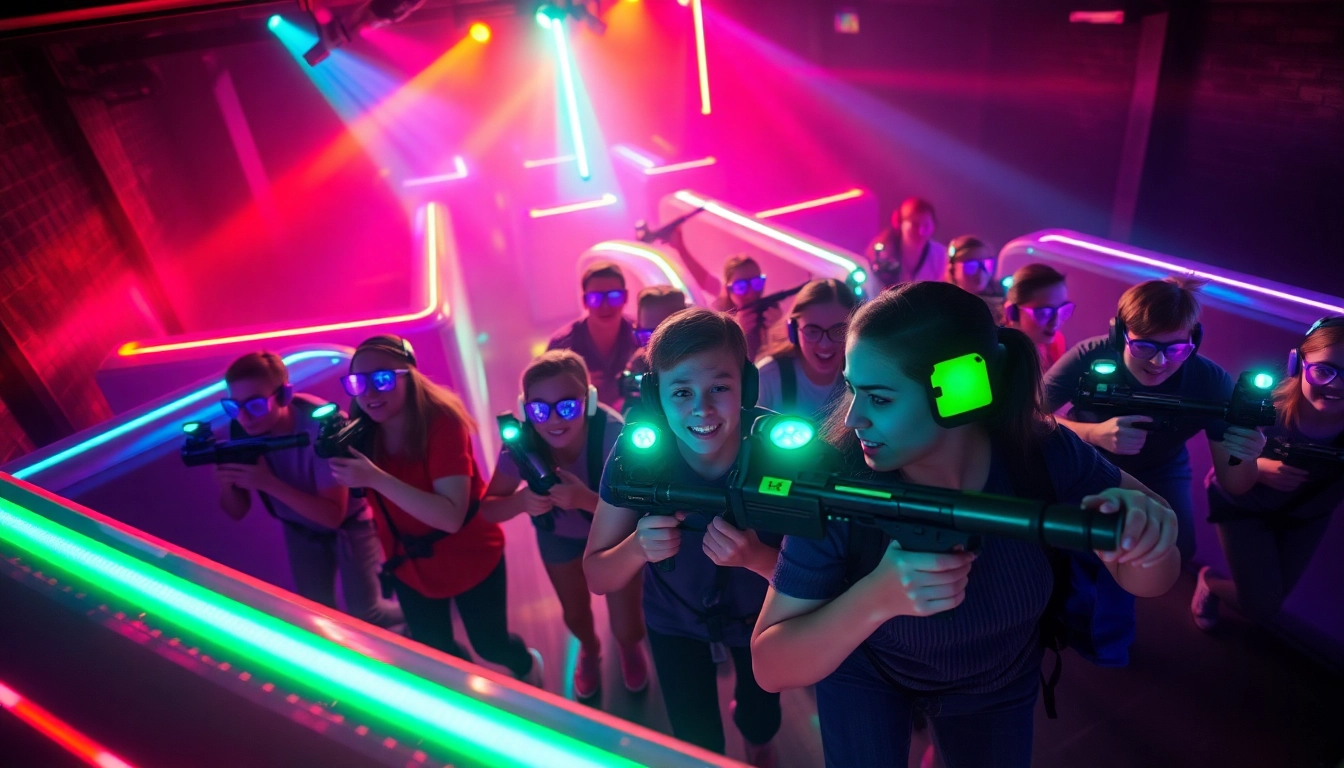
Understanding Laser Tag Basics
What is Laser Tag?
Laser tag is a thrilling indoor or outdoor recreational game where participants engage in simulated combat using infrared-emitting light guns. The objective is to score points by tagging opponents and designated targets while evading being tagged yourself. It blends physical activity, strategy, and teamwork, making it suitable for various age groups and occasions, from birthday parties to corporate team-building events. The excitement lies in the immersive environment that combines elements of both gaming and physical activity. For those seeking an exhilarating experience, Laser tag offers an engaging escape.
History and Evolution of Laser Tag
The concept of Laser tag has its roots in the 1970s when it was inspired by sci-fi movies and video games. The first game was known as "Photon," introduced in 1984, featuring players wearing vests equipped with sensors. Over the years, the technology has advanced, leading to improved gear with enhanced accuracy and varied gameplay experiences. Today's Laser tag arenas incorporate elaborate themes and scenarios, transforming them into immersive environments where players can engage in both competitive and cooperative gameplay. The evolution of Laser tag reflects the integration of technology and creativity in recreational sports.
Types of Laser Tag Games
Laser tag games can be categorized into several types, each offering a unique play experience. Common types include:
- Team Deathmatch: Players are divided into teams, competing to score the most points by tagging opponents.
- Capture the Flag: Teams try to capture the opponent's flag while defending their own from being captured.
- Zombie Survival: Players must survive against a team of "zombies," who are set to tag them within a specific period.
- Last Man Standing: Participants compete individually to be the last person uncaught by opponents.
- Objective-Based Missions: Players work towards completing set objectives, which may involve capturing points or retrieving items.
These modalities provide varied gameplay, attracting different audiences and ensuring that each session feels fresh and engaging.
Setting Up for Laser Tag
Choosing the Right Venue
Finding the perfect venue for Laser tag is crucial for an enjoyable experience. Factors to consider include:
- Location: The venue should be easily accessible to your target audience.
- Facilities: Ensure the space is equipped with the necessary amenities like restrooms, seating, and refreshments.
- Arena Design: Look for venues that offer varied terrain and structures, such as obstacles and hiding spots, to enhance gameplay.
- Safety Features: Ensure the venue adheres to safety regulations, with adequate safety gear provided.
- Staff Expertise: Venues staffed with trained professionals can help guide newcomers and ensure all players understand the game.
The right venue can elevate the overall experience, pushing it from memorable to unforgettable.
Equipment Essentials for Laser Tag
Having the right equipment is vital for both player enjoyment and game integrity. Key components include:
- Laser Blasters: These must be lightweight, accurately emit infrared beams, and have adjustable settings for varying gameplay intensity.
- Vests: Each player should wear a vest fitted with sensors that accurately detect hits. Comfort and adjustability are essential factors.
- Headbands: Optional for increased comfort and to prevent the vest from slipping.
- Reference Guides: Instruction manuals or posters summarizing basic rules should be accessible at the venue.
Regular maintenance and upgrades of equipment help ensure a fair and thrilling experience throughout gameplay sessions.
Planning Rules and Gameplay
Establishing clear rules is essential for an enjoyable Laser tag experience. Consider the following:
- Safety First: Outline safety rules, including no physical contact and awareness of surroundings.
- Gameplay Objectives: Define scoring systems and how players can win or complete objectives, keeping it simple for newcomers.
- Inclusive Play: Ensure rules encourage participation from all players to maintain engagement and fun.
- Cue for Refs: Assign referees or game marshals to oversee play, enforce rules, and assist participants.
- Time Limits: Establish game durations to manage sessions effectively and keep the excitement flowing.
Having structured rules not only enhances enjoyment but also maintains fair play among participants.
Enhancing the Laser Tag Experience
Creative Themes for Laser Tag Events
Themed Laser tag events can provide additional excitement. Common themes might include:
- Space Exploration: Players navigate a galactic battlefield complete with cosmic decorations and sound effects.
- Apocalyptic Wasteland: Create a post-apocalyptic scenario, where players fight for survival amid ruined landscapes.
- Military Operations: Use military-inspired setups and incorporate tactics associated with real-life operations for an intense experience.
- Fantasy Worlds: Invite players to step into a magical realm, complete with mythical creatures and enchanting backdrops.
Choosing a theme allows for decorative enhancements, music integration, and personalized character costumes, amplifying the immersive experience for participants.
Incorporating Technology in Laser Tag
Leveraging technology can revolutionize the Laser tag experience. Some advancements include:
- Mobile Apps: Develop apps that track player scores, provide game statistics, and offer pre or post-game communication platforms.
- Wearable Tech: Integrate fitness trackers to monitor players' physical activity during gameplay, enhancing the competitive aspect.
- Augmented Reality (AR): Use AR technology to create digital overlays in the arena, enriching the gaming experience.
- Real-Time Feedback: Equip players with devices that provide instant feedback on performance and suggestions for improvement.
These tech enhancements enhance player engagement, bridging a connection between the physical and digital worlds.
Strategies for Team Play
Effective team strategies can create a more coordinated and enjoyable experience during Laser tag games. Consider the following:
- Clear Roles: Assign specific roles, such as scouts, snipers, and defenders to maximize team strengths.
- Communication: Encourage players to communicate with signals or designated phrases to coordinate movements effectively.
- Strategic Positioning: Use terrain effectively, positioning players at advantageous locations for better coverage.
- Adaptability: Encourage teams to adapt their strategies based on real-time gameplay developments.
Cultivating team play enhances not only competition but also social interaction and player satisfaction.
Hosting Successful Laser Tag Events
Organizing Birthday Parties and Group Events
Hosting birthday parties and group events around Laser tag requires careful planning to ensure a seamless experience:
- Guest List Management: Send out invitations well in advance, encouraging RSVPs for efficient planning.
- Party Packages: Tailor packages that include gameplay, food, and calibration sessions for ease and convenience.
- Engagement Activities: Include fun icebreakers or team-building activities to set a friendly tone before games start.
- Party Favors: Consider giving guests themed goodies or small tokens to create lasting memories.
By facilitating exceptional experiences, event hosts can foster positive reviews and encourage return visits.
Marketing Your Laser Tag Venue
Creating visibility for your Laser tag facility is crucial for attracting customers. Effective marketing strategies include:
- Online Presence: Develop an engaging website with information on services, safety measures, and testimonials.
- Social Media Engagement: Utilize platforms like Facebook and Instagram to showcase events and engage with the community.
- Promotional Deals: Offer discounts during peak times or for group bookings to entice new players.
- Collaborations: Partner with local schools or organizations to attract team-building events or parties.
Investing time in marketing also strengthens customer relationships and brand loyalty.
Identifying Target and Niche Markets
Understanding your target audience is key to tailoring services and marketing strategies effectively:
- Age Demographics: Research age groups that frequent Laser tag; adapt offerings to appeal to families, teens, or corporate clients.
- Event Types: Identify popular occasions for your audience: kids' birthdays, corporate team-building, and family outings.
- Trends: Stay updated on entertainment trends to remain relevant to shifting audience interests.
- Feedback: Regularly gather feedback through surveys to understand customer preferences and areas for improvement.
Focusing on niche markets helps tailor services that meet specific needs and strengthen customer relationships.
Safety and Regulation in Laser Tag
Safety Guidelines for Laser Tag Players
Ensuring participant safety is imperative in Laser tag operations. Guidelines should include:
- No Physical Contact: Clearly state that players should avoid physical contact during gameplay.
- Awareness of Surroundings: Encourage players to stay aware of their environment to prevent accidents.
- Adequate Space: Design layouts that allow participants to maneuver easily without obstructions.
- Age Restrictions: Set minimum age limits and ensure equipment fits players comfortably for safe usage.
Implementing and communicating these rules guarantees participants enjoy the game safely.
Legal Considerations for Laser Tag Venues
Laser tag facilities must adhere to specific regulations to operate legally and safely. Considerations include:
- Insurance Coverage: Obtaining comprehensive liability insurance protects against potential claims.
- Facility Regulations: Ensure compliance with local zoning laws concerning noise levels and business operations.
- Equipment Standards: Regularly inspect gear for safety compliance and functionality to avoid injuries.
- Training Requirements: Train staff in safety protocols to manage emergencies and oversee player interactions.
Awareness of and adherence to legal requirements ensures a reputable and responsibly managed establishment.
Best Practices for Equipment Maintenance
Regular maintenance of Laser tag equipment is crucial for performance and participant satisfaction.
- Routine Checks: Schedule regular inspections to ensure sensors and blasters function accurately during games.
- Cleaning Procedures: Develop cleaning protocols for sanitizing gear between sessions to promote hygiene.
- Repairs and Replacements: Promptly address equipment issues to avoid disruptions during gameplay.
- Training for Staff: Educate staff on maintenance protocols to ensure accountability and attention to detail.
Implementing maintenance best practices contributes to a safe and enjoyable experience for players.
FAQs About Laser Tag
How much does Laser tag cost?
Laser tag prices typically range from $7 to $12 for a single game, while packages can cost between $12 to $20. Unlimited play passes may be available for $20 to $35.
What age is suitable for Laser tag?
While many venues suggest players be at least 8 years old, those younger may participate if accompanied by an adult, depending on the venue's policy.
Is Laser tag safe for children?
Yes, Laser tag is generally safe, but all players should follow rules to avoid accidents, and supervision is recommended for younger players.
What should I wear to play Laser tag?
Players should wear comfortable clothes and closed-toe shoes to ensure ease of movement. Avoid baggy clothing that can hinder gameplay.
Can Laser tag be played outdoors?
Yes, many venues offer outdoor Laser tag, providing terrain variations that enhance gameplay, similar to paintball but with less mess.