Understanding PPF Winter Road Salt Protection
What is PPF Winter Road Salt Protection?
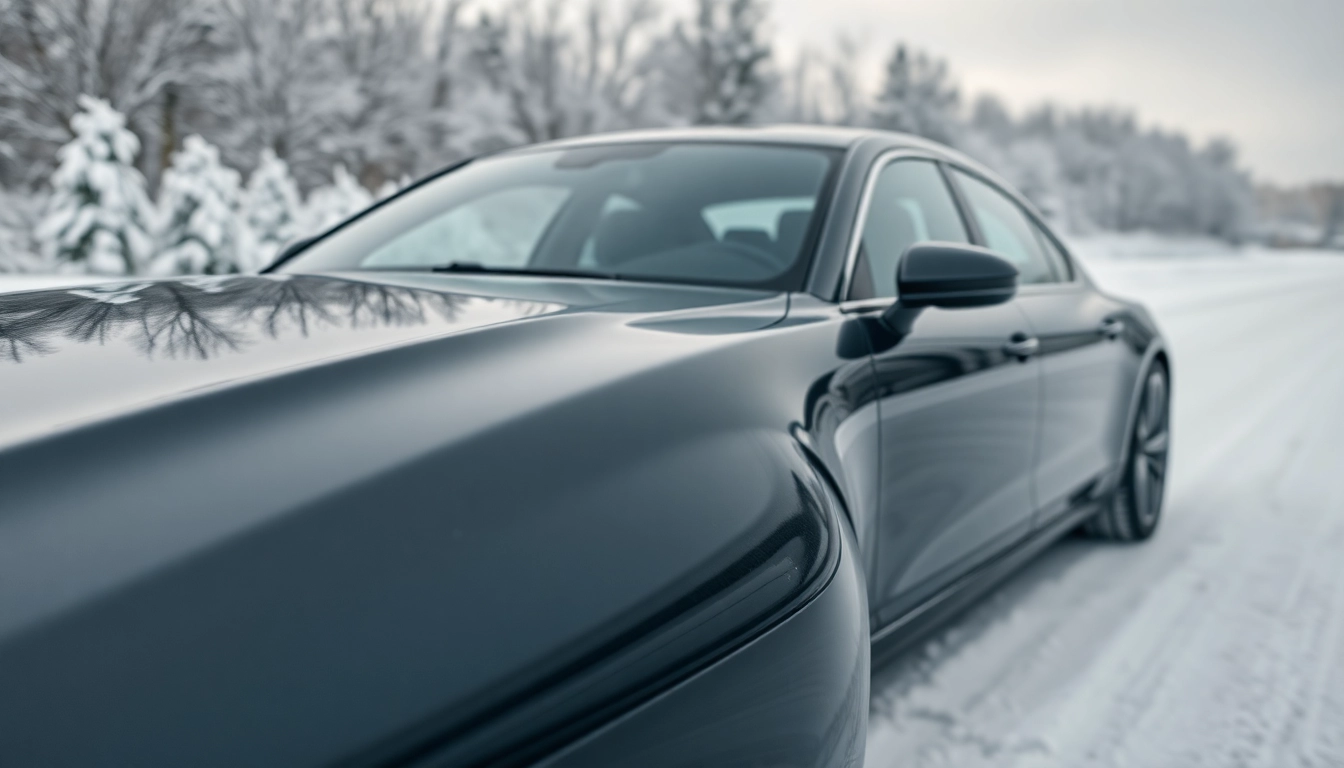
PPF, or Paint Protection Film, serves as a vital barrier for vehicles against harsh environmental factors, particularly during winter months. Winter road salt, while essential for maintaining road safety, can cause significant harm to a vehicle's exterior. This technology involves applying a clear, durable film over the painted surfaces of your car, providing a shield against corrosive materials, including road salt. PPF winter road salt protection goes beyond mere aesthetics; it fortifies the car’s paint against chemicals, scratches, and environmental wear.
Benefits of Using PPF for Winter Protection
Utilizing PPF during winter yields numerous advantages:
- Corrosion Resistance: PPF effectively guards against the corrosive effects of road salt, preventing long-term damage to your vehicle's paint.
- Preservation of Aesthetic Value: The film preserves the shine and finish of your vehicle, maintaining its resale value over time.
- Self-Healing Properties: Many modern PPF products feature self-healing technology, which minimizes minor scratches and swirls, keeping the film looking pristine.
- Easy Maintenance: PPF makes cleaning easier, as it prevents dirt and grime from sticking to the underlying paint.
- UV Protection: Beyond winter, PPF shields against UV rays, which helps prevent paint fading.
Common Myths About PPF Applications
Despite its usefulness, several misconceptions about PPF can deter potential users:
- Myth 1: PPF is too costly. While the initial investment may be higher than traditional waxing, PPF's long-term benefits far outweigh the costs.
- Myth 2: Applying PPF is DIY-friendly. In reality, professional installation ensures proper adhesion and alignment, preventing air bubbles and inaccuracies.
- Myth 3: PPF makes your car look bad. Advances in technology mean that high-quality PPF is nearly invisible and can enhance the vehicle's aesthetics.
Choosing the Right PPF for Your Vehicle
Types of PPF and Their Properties
Different types of PPF are available, each with unique properties:
- Standard PPF: Offers basic protection against scratches and road debris, ideal for everyday vehicles.
- Satin Finish PPF: Provides a matte finish while protecting the paint, suitable for enhancing the look of luxury cars.
- Self-Healing PPF: Designed to heal minor scratches over time, maintaining a clear, smooth appearance. This is particularly beneficial in winter months when road debris is prevalent.
- Hydrophobic PPF: This type repels water and contaminants, making it easier to clean and ideal for winter conditions.
Key Features to Look For in Quality PPF
When selecting PPF, consider the following features:
- Thickness: A thicker film offers better protection against impacts and abrasions, making it a preferred choice for winter conditions.
- Adhesion Quality: Look for films with high-quality adhesives that ensure a strong bond with the vehicle’s surface.
- Warranty: Quality PPF products often come with warranties ranging from 5 to 10 years, indicating durability.
- Clarity: Opt for PPF that offers excellent optical clarity, as this prevents distortion, preserving the vehicle's appearance.
How to Select PPF Based on Your Needs
Selecting the right PPF involves assessing your specific needs:
- If you live in an area with severe winter conditions, opt for self-healing or hydrophobic films for maximum protection.
- Consider the aesthetics you desire: standard films offer a glossy finish, while satin films enhance a matte look.
- Evaluate your budget. While premium options provide extensive benefits, several cost-effective options are also available.
Proper Application Techniques for PPF
Prepping Your Vehicle for PPF Installation
Proper preparation is key to successful PPF installation:
- Clean the Surface: Use a clay bar and a suitable cleaner to remove all contaminants, oils, and wax.
- Inspect the Paint: Ensure the vehicle’s paint is in good condition; any imperfections may show through the film.
- Temperature and Humidity: Ideal installation conditions are warm and dry, enhancing adhesion.
Step-by-Step Guide to Applying PPF
Here’s a simplified guide for applying PPF:
- Measure and Cut: Measure the areas to be covered and cut the film accordingly, leaving some edge excess.
- Wet Application: Use a solution of water and soap to help position the film without it sticking immediately.
- Position the Film: Start from one edge, aligning it properly and gently applying it to avoid air bubbles.
- Squeegee the Film: Use a squeegee to remove water and air bubbles as you apply pressure from the center outwards.
- Trim Excess Film: Once securely in place, trim any excess film using a sharp blade.
- Heat Treatment: Use a heat gun to activate the adhesive for better bonding and to ensure the film conforms to curves.
Common Mistakes to Avoid During Installation
To ensure a successful installation, avoid these pitfalls:
- Applying PPF over a dirty or contaminated surface.
- Ignoring pre-heating the film if it's cold, leading to tearing.
- Rushing the squeegee process, which can trap bubbles.
- Not allowing proper curing time post-installation before washing the vehicle.
Maintaining PPF Winter Road Salt Protection
Best Practices for Cleaning and Care
To maximize the lifespan of your PPF, regular maintenance is essential:
- Hand Washing: Always hand wash your vehicle with a pH-neutral soap, using microfiber cloths to avoid scratches.
- Avoid Harsh Chemicals: Steer clear of acidic or abrasive cleaners that can degrade the film.
- Rinse Thoroughly: Ensure all soap is rinsed off to prevent residue buildup that could affect the film's clarity.
How Often to Reapply PPF for Optimal Protection
While PPF is designed for longevity, factors such as environment and maintenance habits dictate how often you should reapply:
- In harsh winter climates, consider reapplying every three to five years for optimal protection.
- Heed any warranty guidelines regarding reapplication timelines specified by your chosen PPF manufacturer.
Signs Your PPF Needs Replacement
Being aware of when to replace PPF can save you costly repairs down the road:
- Discoloration: Yellowing is a sign that the PPF is degrading.
- Peeling: Edges lifting or peeling back indicates poor adhesion and requires replacement.
- Visible Damage: Deep scratches or dents that are not healing after cleaning might necessitate a new film.
Frequently Asked Questions
What does PPF stand for?
PPF stands for Paint Protection Film, a transparent layer applied to a vehicle's surface to protect against scratches and environmental damage.
How long does PPF last?
PPF can last between 5 to 10 years, depending on the quality of the film and environmental conditions. Regular maintenance can extend its lifespan.
Is PPF easy to DIY?
While some may attempt DIY installation, it's usually best performed by professionals to avoid common mistakes like air bubbles or uneven placement.
Can PPF be removed effectively?
Yes, PPF can be removed without damaging the underlying paint if done carefully. It's wise to consult a professional for safe removal.
Will PPF yellow over time?
High-quality PPF is designed to resist yellowing, but external factors, like UV exposure and poor maintenance, can lead to discoloration over time.