The Role of CNC Machining in Stainless Steel Parts Manufacturing
CNC (Computer Numerical Control) machining has transformed the manufacturing landscape, particularly for stainless steel parts. This advanced technology enables precision and efficiency in producing high-quality components across various industries. As manufacturers seek to improve their production processes and reduce costs, the demand for reliable cnc stainless steel parts suppliers is on the rise. In this article, we'll explore the significance of CNC machining in the production of stainless steel parts, diving into its processes, advantages, and applications.
Understanding CNC Machining Processes
CNC machining involves the use of computerized controls to operate machinery such as lathes, mills, and routers. This technology allows for intricate designs and precise measurements that would be nearly impossible to achieve manually. The fundamental steps in the CNC machining process include:
- Design Creation: Engineers create a design in CAD (Computer-Aided Design) software, detailing specifications and dimensions.
- Programming: The design is translated into a CNC program, which guides the machine on how to replicate the part.
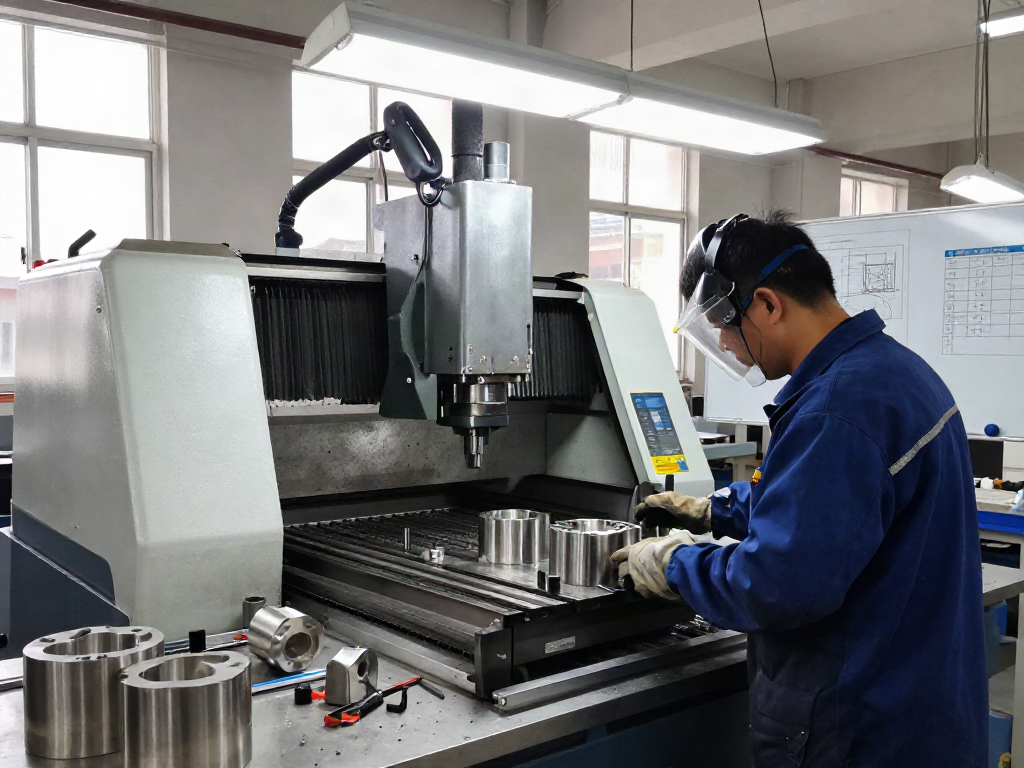
- Machining: The machine executes the program, using cutting tools to shape and finish the stainless steel according to the specifications.
- Post-Processing: This may involve additional machining, surface treatments, or quality checks to ensure the part meets industry standards.
Advantages of CNC Machining for Stainless Steel Parts
CNC machining offers several key advantages for the production of stainless steel parts:
- Precision: CNC machines operate with high accuracy, producing parts with tolerances of up to ±0.001 inches. This precision is critical in applications where even slight deviations can lead to failures.
- Efficiency: Automated processes reduce manual labor and speed up production times, allowing businesses to meet tight deadlines and high-demand orders.
- Complex Geometries: CNC technology can produce intricate designs that are often impossible to achieve through traditional machining methods.
- Scalability: Once a program is set, it can be used to produce a large volume of identical parts quickly, making it ideal for mass production.
Common Applications in Various Industries
The versatility of CNC machining makes it suitable for a wide range of applications across diverse industries, including:
- Aerospace: CNC-machined stainless steel parts are crucial in aircraft components, offering strength and lightweight properties.
- Medical Devices: High precision and biocompatibility make stainless steel CNC parts a standard choice for surgical instruments and implants.
- Automotive: Parts manufactured using CNC machining can be found in engines, structural components, and custom fittings.
- Food Processing: The corrosion resistance of stainless steel makes it ideal for manufacturing parts that come into contact with food and beverages.
Choosing the Right CNC Stainless Steel Parts Suppliers
Finding the right supplier for CNC stainless steel parts is a critical decision that can significantly influence production quality and efficiency. Here are essential factors to consider when selecting suppliers:
Key Factors to Consider When Selecting Suppliers
- Experience and Expertise: Look for suppliers with a proven track record in CNC machining, particularly in stainless steel applications.
- Quality Assurance: Verify that the supplier adheres to rigorous quality standards and possesses relevant certifications, such as ISO 9001.
- Technological Capabilities: Assess the machinery and software used by the supplier to ensure they can meet your production needs, including the ability to handle complex geometries.
- Customer Reviews: Research feedback from past clients to understand their experiences and satisfaction levels with the supplier's products and services.
Evaluating Supplier Capabilities and Certifications
When evaluating potential suppliers, it's essential to assess their capabilities systematically:
- Facility Visits: If possible, visit the supplier's facility to see their operations, equipment, and quality control processes firsthand.
- Certifications: Check for relevant industry certifications that validate their compliance with quality and safety standards.
- Production Capacity: Ensure the supplier can handle your order size, whether it’s a one-off prototype or a large batch production.
- Material Sourcing: Consider where the supplier sources their stainless steel and whether they use high-grade materials.
Importance of Communication and Support
Effective communication is vital in building a strong partnership with your CNC stainless steel parts supplier. Consider the following:
- Availability: Ensure the supplier has a reliable communication channel and is responsive to inquiries and concerns.
- Technical Support: A good supplier should provide technical assistance, helping you understand design considerations and any potential manufacturing challenges.
- Project Management: Choose a supplier who actively manages the project and updates you on progress, timelines, and potential issues.
Best Practices for Collaborating with CNC Suppliers
Collaboration with your CNC suppliers is key to achieving high-quality output and streamlined production. Here are best practices to ensure successful partnerships:
Effective Communication for Successful Partnerships
Clear and concise communication can prevent misunderstandings and ensure smooth collaboration. Regular meetings and updates can be beneficial for discussing progress and addressing any concerns.
Sharing Designs and Specifications
Provide comprehensive CAD designs and specifications to your supplier. The more detailed your designs are, the better the supplier will understand your expectations and requirements.
Quality Control Measures and Documentation
Establish quality control procedures to monitor the production process. Documenting each step can help in tracking defects and ensuring that the final product meets your specifications.
Emerging Trends in CNC Machining for 2026
As the CNC machining industry evolves, several trends are shaping its future, particularly in the realm of stainless steel parts manufacturing:
Advancements in CNC Technology and Automation
The industry is witnessing rapid technological advancements, with AI and machine learning enhancing the automation of CNC processes, leading to improved accuracy and reduced lead times.
Increasing Demand for Custom Stainless Steel Parts
As industries move towards tailored solutions, the demand for custom stainless steel parts is growing. Suppliers are adapting by offering more flexible manufacturing options.
Sustainability Practices in CNC Manufacturing
Environmental concerns are driving manufacturers to adopt sustainable practices, including reducing waste and implementing energy-efficient technologies in CNC machining processes.
Future Perspectives: The CNC Machining Industry in 2026 and Beyond
Looking ahead, the CNC machining industry is expected to undergo significant changes:
Predictions for Market Growth and Challenges
The market for CNC machining, particularly for stainless steel parts, is anticipated to grow due to increased demand across various sectors. However, challenges such as supply chain disruptions and rising material costs may impact growth.
Innovations Influencing Supply Chain Dynamics
The integration of IoT and big data analytics is expected to transform supply chain management, allowing suppliers to optimize production and respond proactively to market demands.
How Suppliers Can Adapt to Changing Customer Needs
Suppliers need to remain agile and responsive to market changes. Investing in technology and training staff on the latest manufacturing techniques will be crucial for staying competitive.
What Are the Key Benefits of CNC Machining?
Some of the primary benefits of CNC machining include: precision manufacturing, reduced waste, enhanced safety, and the ability to create complex designs efficiently.
How Do I Evaluate a CNC Supplier's Quality?
To evaluate a supplier's quality, consider their certifications, customer feedback, and their adherence to quality control processes.
What Industries Benefit Most from CNC Machining?
Industries such as aerospace, automotive, medical devices, and food processing benefit significantly from CNC machining due to the precision and reliability it offers.
What Are the Latest Trends in Stainless Steel Parts Manufacturing?
The latest trends include increasing customization, integration of automation, and a focus on sustainable practices in manufacturing processes.
How Can CNC Machining Contribute to Sustainable Practices?
CNC machining can reduce material waste and energy consumption through optimized production processes and the utilization of eco-friendly materials.