
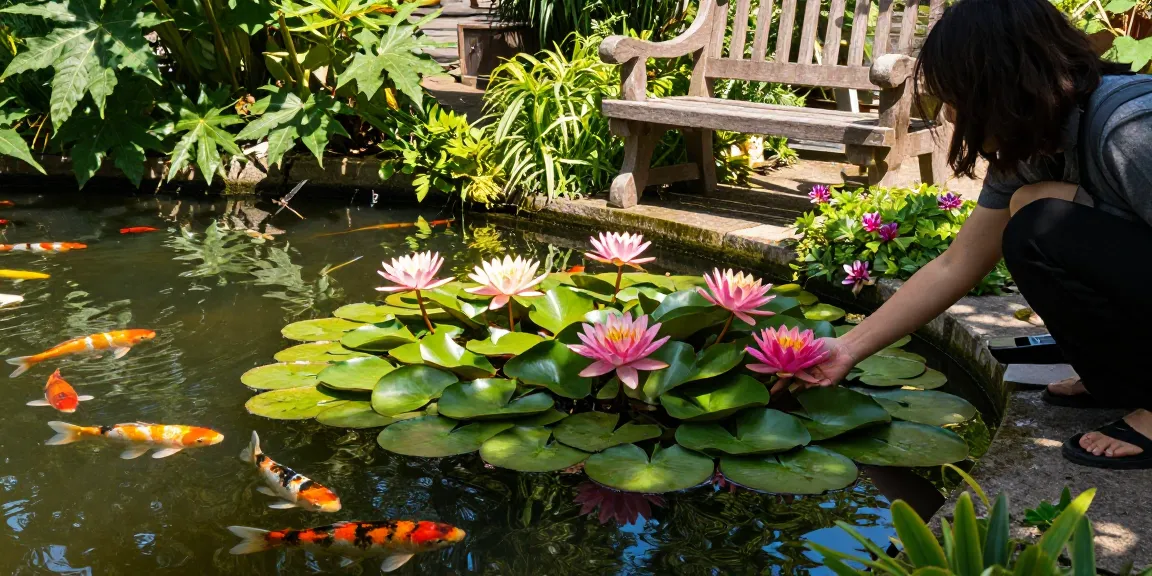
Understanding Water Lilies: Varieties and Characteristics
Water lilies are one of the most captivating features of garden ponds, admired not just for their beautiful flowers, but also for their unique leaf structures and overall contribution to aquatic ecosystems. With a rich diversity of species and hybrids available, these plants offer various colors, sizes, and growth patterns that can enhance the aesthetic appeal of any water feature. When exploring options, Water Lilies provide comprehensive insights into the best choices for your pond.
What are Water Lilies?
Water lilies (Nymphaea) are aquatic flowering plants belonging to the family Nymphaeaceae. They are known for their large, flat leaves that float on the water’s surface and their stunning flowers which bloom during the day or at night, depending on the variety. These plants play a vital role in pond ecosystems by providing shade, wildlife habitats, and helping to oxygenate the water.
Types of Water Lilies to Consider
There are numerous varieties of water lilies, each with distinctive features:
- Hardy Water Lilies: These are the most common and can survive winter in temperate climates. They generally grow in shallow waters (up to 3 feet deep) and come in various colors such as pink, yellow, and white.
- Tropical Water Lilies: Known for their vibrant colors and larger blooms, these varieties require warmer climates and typically do not survive frost. They thrive in deeper water (up to 5 feet) and can be very striking in ponds.
- Night Blooming Water Lilies: This type opens its flowers at dusk, adding a unique charm to evening gardens. They are mostly tropical and often feature large, fragrant blooms.
- Miniature Water Lilies: Perfect for small ponds or containers, these varieties grow to a smaller size but still offer beautiful blooms and foliage.
Growth Habits and Ideal Conditions
Water lilies prefer calm, still water and benefit from a sunny position that receives at least 6 hours of sunlight each day. They thrive in nutrient-rich soil, often requiring a specific planting procedure where rhizomes are buried in a way that allows the leaves to float freely on the surface. Proper spacing between plants is crucial to ensure they have enough room to expand without competing for resources.
Essential Requirements for Growing Water Lilies
Water Depth and Pond Design
When planning your pond, it’s essential to consider the water depth that suits your water lilies. Hardy varieties typically require 18 to 24 inches of water, while tropical varieties flourish in deeper settings, around 24 to 36 inches. The pond design should include slopes or shelves to accommodate various plant types, allowing for a natural transition from shallow to deep water.
Sunlight Needs for Optimal Growth
Sunlight plays a critical role in the growth and blooming of water lilies. Ideally, they should receive full sun for 6 to 8 hours a day. Insufficient sunlight can lead to poor flowering and weak growth, making it essential to position your pond in a spot free from shading trees or structures.
Soil and Fertilization Guidelines
Water lilies thrive in heavy, clay-like soil that retains moisture and nutrients. A specific aquatic plant fertilizer can be added at the beginning of the growing season to promote robust growth. It’s advisable to follow the manufacturer’s recommendations regarding the frequency and amount to use, typically about once every month during the growing season.
Common Challenges in Water Lily Cultivation
Pest Control for Healthy Plants
While water lilies are relatively low-maintenance, they can be susceptible to pests such as aphids, spider mites, and snails. Regular inspection of the leaves and stems can help identify problems early. Natural pest control methods, like introducing beneficial insects (e.g., ladybugs) or neem oil, can be effective without harming the aquatic environment.
Managing Algae and Water Quality
Algae blooms can pose a significant threat to the health of your water lilies by blocking sunlight and depleting oxygen in the water. Regular maintenance, including partial water changes, careful monitoring of nutrient levels, and using aquatic plants to balance the ecosystem, can help keep algae under control. Additionally, installing a water filter or aerator can greatly improve water quality.
Seasonal Care Tips and Maintenance
Seasonal care for water lilies involves different approaches throughout the year. In spring, it’s crucial to cut back any dead or damaged leaves, as new growth will emerge. During summer, monitor water levels to ensure there is enough water, especially during dry spells. In autumn, consider using a net to protect your pond from falling leaves and debris. Finally, in winter, hardy water lilies can stay submerged, but it’s wise to move tropical varieties indoors or to a greenhouse to prevent frost damage.
Enhancing Your Pond Aesthetics with Water Lilies
Designing a Scenic Pond Landscape
Water lilies can enhance the visual appeal of your pond significantly. Combining different varieties can create a stunning display of colors and shapes throughout the blooming season. Consider planting in groups for maximum impact and varying the heights and colors. Adding rocks, driftwood, or ornamental grasses around the pond can further enhance the natural look.
Complementary Plants and Accessories
To create a thriving ecosystem, pair water lilies with other aquatic plants like submerged oxygenators, marginal plants, or floating plants. This diversity not only adds depth to the visual landscape but also helps in maintaining water quality and attracting wildlife.
Creating Wildlife Habitats
Water lilies provide essential habitats for various wildlife. Frogs, insects, and birds often seek refuge among the leaves and blooms. To further attract wildlife, consider adding a few rocks or logs as basking spots for reptiles and amphibians. The balance of plants in your pond can support a rich biodiversity while also providing natural pest control.
Future Trends in Water Lily Cultivation for 2026
Innovations in Pond Gardening
The future of pond gardening is bright, with innovative techniques rapidly emerging. Hydroponic systems that integrate water lilies and other aquatic plants are gaining popularity, allowing for efficient growth in smaller spaces. Additionally, smart gardening solutions that monitor water quality and plant health are becoming increasingly accessible for enthusiasts.
Impact of Climate Change on Water Plants
As the climate changes, water lilies and other aquatic plants may face new challenges. Variations in rainfall patterns, heat waves, and extreme weather events could affect their growth and survival. Gardeners will need to adapt their practices, including choosing more resilient plant varieties and employing water conservation methods.
Trends in Sustainable Gardening Practices
Sustainability will continue to shape how we cultivate water lilies. Practices such as organic fertilization, integrated pest management, and the use of native plants will likely become standard. Gardening enthusiasts are increasingly recognizing the importance of eco-friendly techniques that promote biodiversity and reduce environmental impact.
What are the best water lilies for beginners?
For beginners, hardy water lilies such as ‘Colorado’ or ‘Pink Sensation’ are great choices due to their ease of care and resilience.
How often should water lilies be fertilized?
Water lilies should typically be fertilized every 4 to 6 weeks during the growing season, following the product instructions carefully.
What problems can arise with water lilies?
Common issues include pests, poor growth due to insufficient sunlight, and problems with water quality leading to algae blooms.
Can water lilies survive winter?
Hardy water lilies can survive winter if they are submerged below the frost line, while tropical varieties need to be brought indoors.
How to attract wildlife to your pond?
To attract wildlife, incorporate a variety of plants, provide basking spots, and create a balanced ecosystem with both aquatic and marginal plants.


