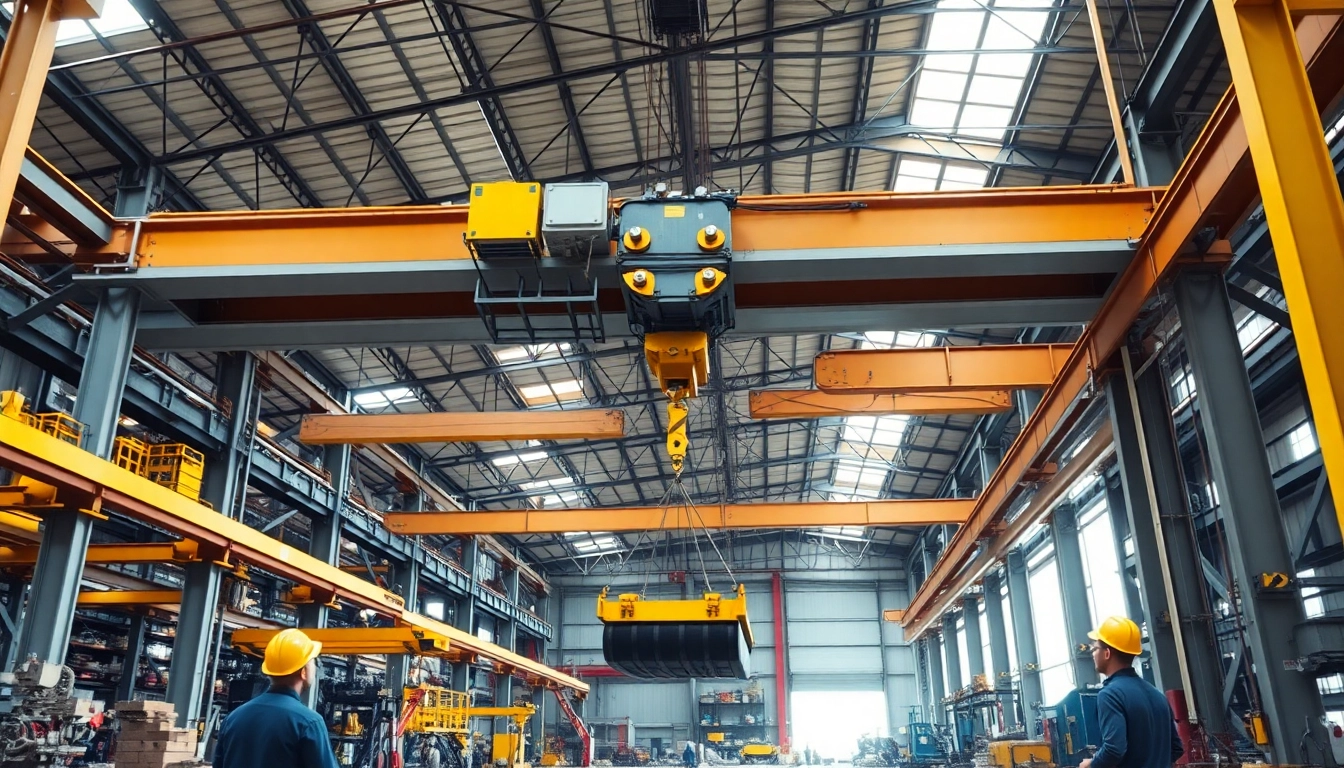
Understanding Railroad Construction
Overview of Railroad Construction Processes
Railroad construction is a crucial aspect of developing and maintaining transportation infrastructure, enabling the movement of goods and people across vast distances efficiently. This process encompasses several phases, starting from initial planning and design through to construction and final inspection. Each phase must consider geographical, environmental, and regulatory factors to ensure the railway system is not only functional but also safe and sustainable.
The Railroad Construction process typically begins with site assessments, where engineers evaluate potential routes and identify various challenges such as existing structures, land usage, and environmental impact. Once a route is established, detailed designs are created, considering aspects like track alignment, grade, and signaling systems.
Following design approval, construction activities commence. These include excavation for track beds, laying of railway ties and tracks, and installation of necessary infrastructure such as bridges, tunnels, and stations. During this phase, continuous assessment must occur to mitigate risks and manage the project’s budget effectively.
Key Components of Railroad Infrastructure
Railroad infrastructure comprises several essential components, each playing a significant role in ensuring the system’s overall performance and reliability. The following are key elements of railroad construction:
- Track System: This includes the laying of rails, ties, and ballast, designed to support the weight of trains while providing stability during transit.
- Terminal Facilities: Essential for the loading and unloading of cargo and passengers, terminal facilities must have sufficient space and be strategically located for optimal operations.
- Signaling and Control Systems: These systems enhance safety, manage train movements, and optimize the efficiency of operations on the rail network.
- Bridges and Tunnels: These structures allow railroads to navigate physical obstacles, ensuring continuous connectivity.
- Stations: Stations serve as key points for passenger transit and often include amenities for travelers and freight handling capabilities.
The Importance of Safety Regulations in Railroad Construction
Safety regulations are paramount in railroad construction due to the complex nature of the operations and the potential risks involved. Compliance with safety standards not only protects workers and the public but also ensures the reliability of the railway system. Key safety measures include:
- Regular safety audits and inspections to verify standards are met throughout all construction phases.
- Strict adherence to environmental protection guidelines to minimize ecological disturbances.
- Implementation of safety training programs for all personnel on-site to handle equipment and respond to emergencies effectively.
Innovative Techniques in Railroad Construction
Utilizing Advanced Machinery for Efficiency
The evolution of technology has significantly impacted railroad construction, with advanced machinery enhancing both productivity and safety. Modern construction processes utilize specialized equipment such as:
- Railway Laying Machines: These machines automate the laying of tracks, reducing labor costs and increasing precision.
- Ballast Regulators: They maintain the stability of the track bed while ensuring optimal drainage, crucial for longevity.
- Tamping Machines: Essential for leveling and securing track placement, thereby ensuring the tracks are properly seated in the ballast.
Implementing Sustainable Practices in Railroad Construction
Sustainability is becoming increasingly important in all construction projects, including railroad infrastructure. Implementing eco-friendly practices reduces waste and minimizes the impact on the environment. Important sustainable practices in railroad construction include:
- Utilization of recycled materials in construction, such as reclaimed track ties or recycled aggregates.
- Adoption of energy-efficient machinery and equipment to lower emissions and fuel consumption.
- Designing green spaces and wildlife corridors to maintain biodiversity along railway lines.
Technology Integration in Modern Railroad Construction
Integrating technology into railroad construction processes has numerous benefits. Technologies such as GIS (Geographic Information Systems) allow for better planning and route optimization, while build information modeling (BIM) enhances collaborative efforts and project visualization. The use of drones for surveying and monitoring cannot be understated, as they provide real-time data that can significantly improve decision-making processes during construction.
Challenges Faced in Railroad Construction
Managing Environmental Impact During Construction
Managing environmental impact is a critical challenge in railroad construction. Projects frequently encounter sensitive ecosystems, existing wildlife habitats, and local community concerns. Mitigation strategies often involve conducting thorough environmental assessments, adopting noise-reduction technologies, and implementing erosion control measures to protect surrounding areas.
Addressing Labor Shortages in the Railroad Sector
The railroad industry faces notable labor shortages, particularly for skilled positions. These shortages can delay projects and inflate costs. To combat this, many companies are focusing on workforce development by offering training programs, promoting job opportunities to younger demographics, and improving working conditions to attract talent.
Navigating Regulatory Hurdles in Railroad Construction
Navigating the complex regulatory environment is another challenge in railroad construction. Numerous local, state, and federal regulations can impact project timelines. Engaging with regulatory bodies early and maintaining open communication throughout the project cycle can help mitigate unforeseen delays and compliance issues.
Successful Railroad Construction Case Studies
Highlighting Effective Project Management
Examining successful railroad construction projects provides valuable lessons in effective project management. Streamlined communication, planning adaptability, and comprehensive risk assessments are integral to managing large-scale construction efforts. Successful projects often involve a collaborative approach that includes engineers, project managers, and contractors working closely together.
Innovative Solutions in Railroad Construction Projects
Innovation in problem-solving can lead to successful outcomes in railroad construction. Projects that have creatively utilized local materials, implemented modular construction methods, or adopted new technologies for sustainability have seen improved efficiencies and reduced costs.
Community Engagement in Railroad Construction
Engaging with the community is essential for the success of railroad construction projects. Effective community engagement initiatives often include public meetings to inform stakeholders, solicit feedback, and address concerns. Establishing trust and transparency builds better relationships and can ease project execution.
Future Trends in Railroad Construction
The Role of Automation in Railroad Construction
Automation is poised to redefine railroad construction processes. As technology continues to advance, automated machinery and robotics may take on a more significant role, allowing for increased precision and reduced labor costs. The future will likely witness the integration of autonomous vehicles designed for material transport and inspection tasks.
Designing Resilient Railroad Systems
As climate change presents new challenges, the future of railroad design will necessitate resilience in infrastructure to withstand severe weather and environmental changes. Innovative design strategies will focus on durability, incorporating materials and constructions methods capable of resisting extreme conditions.
Investment Opportunities in the Railroad Construction Industry
Looking ahead, the railroad construction industry will encounter numerous investment opportunities. With growing governmental emphasis on infrastructure upgrades and sustainability initiatives, there is a potential for substantial returns on investments in rail technologies, systems upgrades, and green construction practices.
Frequently Asked Questions
What is the typical duration of railroad construction projects?
Duration can vary significantly, from several months to years, depending on project scale, complexity, and environmental factors.
What qualifications are needed for a career in railroad construction?
Typically, a background in engineering, project management, or construction management is preferred, along with relevant certifications in safety and operations.
How does weather impact railroad construction efforts?
Weather can lead to delays and additional costs, particularly during extreme conditions, requiring contingency planning in project schedules.
What are the environmental considerations in railroad construction?
Environmental assessments are critical, addressing potential impacts on ecosystems, wildlife, and local communities to ensure compliance with regulations.
How is technology changing railroad construction?
Technology enhances efficiency through automation, improved design capabilities, and better project management tools, transforming traditional processes dramatically.
Contact Information
Email: [email protected]
Call Us: (855) 920 – 8722
Address: 3950 Fossil Creek Boulevard, Suite 106 Fort Worth, TX 76137