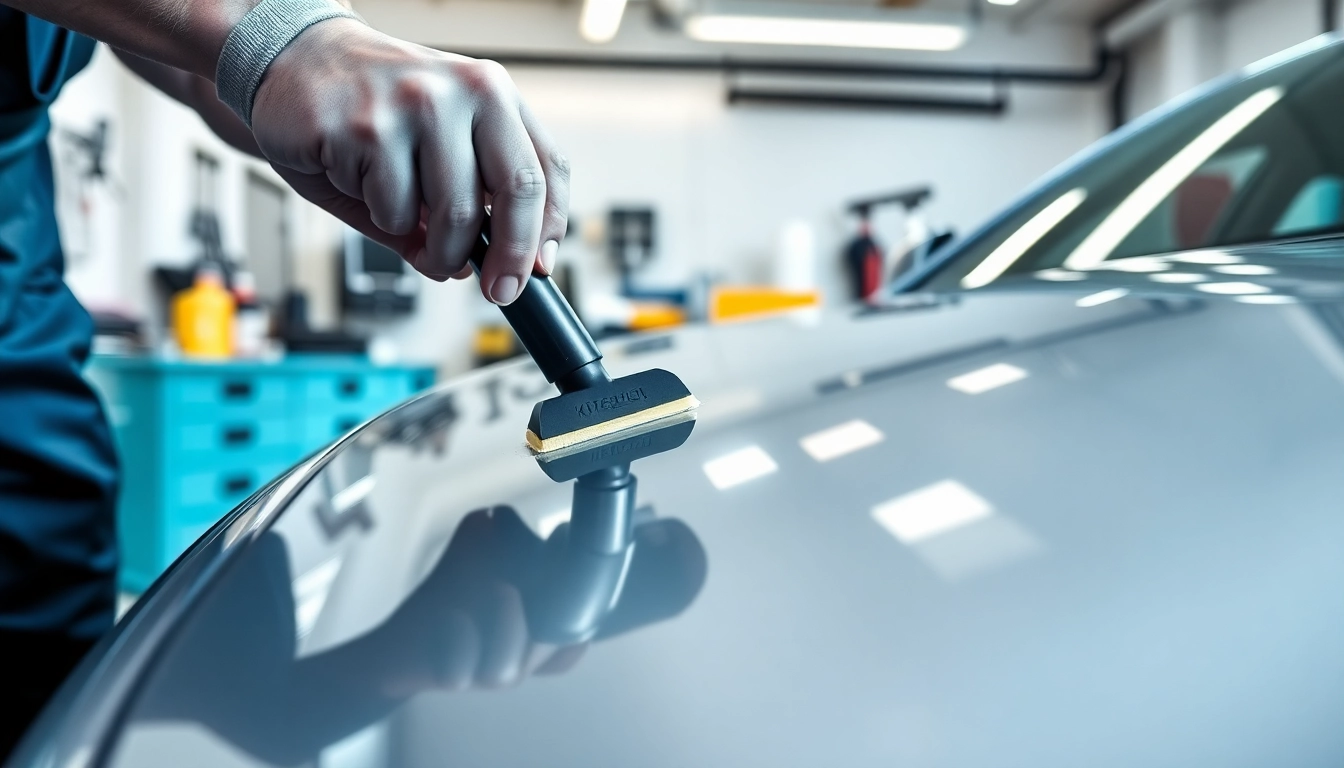
Understanding Salt Protection Ceramic Coating
What is Salt Protection Ceramic Coating?
Salt protection ceramic coating is an advanced protective layer designed specifically to shield vehicles from the corrosive effects of road salt and other environmental hazards. Comprised of durable nanotechnology, this coating forms a long-lasting bond with the surface of the vehicle, offering superior defense against batters from elements like salt, dirt, UV rays, and more. By using salt protection ceramic coating, car owners can enhance the longevity and aesthetic appeal of their vehicles.
Benefits of Salt Protection Ceramic Coating
The benefits of utilizing salt protection ceramic coating are numerous. Firstly, it significantly reduces the risk of rust and corrosion, effectively mitigating damage from road salt, especially during winter months when salt use is prevalent for snow and ice management. Secondly, it enhances the vehicle's gloss and finish, resulting in a cleaner, shinier appearance that lasts longer than traditional wax or sealants. Furthermore, this coating simplifies maintenance as it repels dirt and water, making it easier to wash and care for your vehicle. It also provides UV protection, preventing fading and oxidation of paint over time.
How Salt Protection Ceramic Coating Works
The mechanism of salt protection ceramic coating revolves around nanotechnology that integrates microscopic particles that create a nano-ceramic shield on the vehicle's surface. When applied, these particles bond at the molecular level, creating a robust barrier that is hydrophobic and oleophobic. This means that water and oils cannot easily penetrate the surface, allowing contaminants to bead and roll off. This effectively decreases the likelihood of buildup from salt and other pollutants, ultimately preserving the vehicle's integrity.
The Application Process
Preparing Your Vehicle for Salt Protection Ceramic Coating
Proper preparation of the vehicle is crucial for successful application of salt protection ceramic coating. This involves a thorough wash to remove any dirt, grime, or existing wax from the surface. Following the wash, clay bar treatment can be employed to extract embedded contaminants, ensuring an ultra-smooth surface that maximizes bonding capability. Additionally, it's essential to inspect the vehicle for paint defects, such as scratches or swirl marks, as these should be corrected beforehand for optimal results.
Step-by-Step Application Guide
- Wash the Vehicle: Clean the car thoroughly using a pH-neutral car shampoo to remove all contaminants.
- Clay Bar Treatment: Use a clay bar to gently exfoliate the paint, removing stubborn particles that could hinder adhesion.
- Paint Correction: If necessary, polish the painted surfaces to eliminate scratches and enhance gloss before the coating.
- Surface Prep Wipes: Use surface prep wipes to ensure the paint is completely free of oils and residues.
- Apply Coating: Working in sections, use the applicator to spread the coating evenly across the surface, allowing the product to flash or cure as instructed by the manufacturer.
- Leveling: After introducing the coating, use a microfiber towel to gently level out any high spots or excess material.
- Curing: Allow the coating to cure according to the manufacturer’s specifications, often taking anywhere from hours to days depending on the product.
Proper Curing Techniques
Curing is a vital part of the application process for salt protection ceramic coating. It is the phase where the coating transitions from a liquid to a solid state, bonding to the vehicle’s paint. To ensure proper curing, it’s essential to maintain the vehicle in a controlled environment free from dust, moisture, and UV exposure. Avoid washing the vehicle for at least a week after application to allow the coating to reach its full hardness and effectiveness. It’s also advisable to avoid exposure to harsh chemicals or high-pressure washing during the initial curing phase.
Maintenance and Care
Routine Maintenance for Longevity
Maintaining your salt protection ceramic coating is simple yet essential for maximizing its efficacy. Regular washing with pH-neutral shampoos keeps the coating clean and functional. Aim to rinse off any salt residue immediately after exposure during winter to prevent buildup. Monthly inspections are recommended to assess the integrity of the coating and catch any early signs of wear or damage, allowing for timely corrective measures when necessary.
Best Products for Maintaining Coated Surfaces
When it comes to maintaining a salt protection ceramic coating, specific products work best. Use microfiber mitts for washing to avoid scratching the surface, and avoid automatic car washes with brushes that can impair the coating’s integrity. There are also specialized maintenance sprays designed for ceramic coatings that can enhance hydrophobic properties and replenish slickness. Look for products that are safe for ceramic coatings and free from harsh chemicals.
Common Mistakes to Avoid
Several pitfalls can hinder the effectiveness of salt protection ceramic coating. One common mistake is neglecting to wash the vehicle frequently, which can lead to contamination buildup that compromises the coating. Additionally, using abrasive materials or harsh cleaners during maintenance can scratch or degrade the coating, undermining its protective abilities. It's also advisable to limit the use of non-ceramic-specific products that might damage the coat or alter its performance.
Performance Metrics and Results
Evaluating the Effectiveness of Salt Protection Ceramic Coating
To gauge the effectiveness of salt protection ceramic coating, consider various performance metrics, such as hydrophobic properties, resistance to salt and road contaminants, and durability over time. One effective evaluation method is the “water bead test,” where water is sprayed on the coated surface. A well-applied ceramic coating will cause water droplets to bead up and roll off, indicating its superior hydrophobic characteristics. Periodic assessments should also include visual inspections for signs of wear and ease of cleaning as benchmarks for the coating’s performance.
Real-Life Case Studies and Testimonials
Real-life experiences often shed light on the benefits of salt protection ceramic coating. Many vehicle owners report significant improvements in the longevity of their paint jobs after applying the coating, with reduced cleaning time and maintenance efforts becoming common testimonials. Vehicles subjected to harsh winter conditions demonstrate far less corrosion and paint wear compared to non-treated counterparts, emphasizing the coating’s protective capabilities. Such accounts strengthen the argument for investing in a quality ceramic coating.
Comparing Costs and Benefits
When considering the investment in salt protection ceramic coating, weighing the costs against its numerous benefits is essential. The initial application might seem steep, but the long-term savings in maintenance and potential bodywork repairs allow for a favorable return on investment. The lifespan of a high-quality ceramic coating often spans several years, making it a cost-effective option for anyone looking to protect their vehicle’s value in the long run.
Frequently Asked Questions
How long does salt protection ceramic coating last?
The lifespan of salt protection ceramic coating can range from 2 to 7 years, depending on various factors such as the product used, environmental conditions, and maintenance routines.
Can I apply salt protection ceramic coating myself?
While it's possible to apply it yourself, professional application is recommended due to the precision needed for best results. DIY applications may risk improper preparation or technique.
Is it safe for all vehicle types?
Yes, salt protection ceramic coating is safe for all vehicle types, including cars, trucks, SUVs, and motorcycles, enhancing protection without damaging the finish.
How does it protect against environmental damage?
It creates a protective barrier that repels contaminants including road salt, dirt, and UV rays, preventing them from bonding to and damaging the vehicle's paint.
What is the best way to maintain the coating?
Regular washing with pH-neutral shampoos and periodic inspections can help maintain the coating. Avoid abrasive materials and harsh chemicals.