
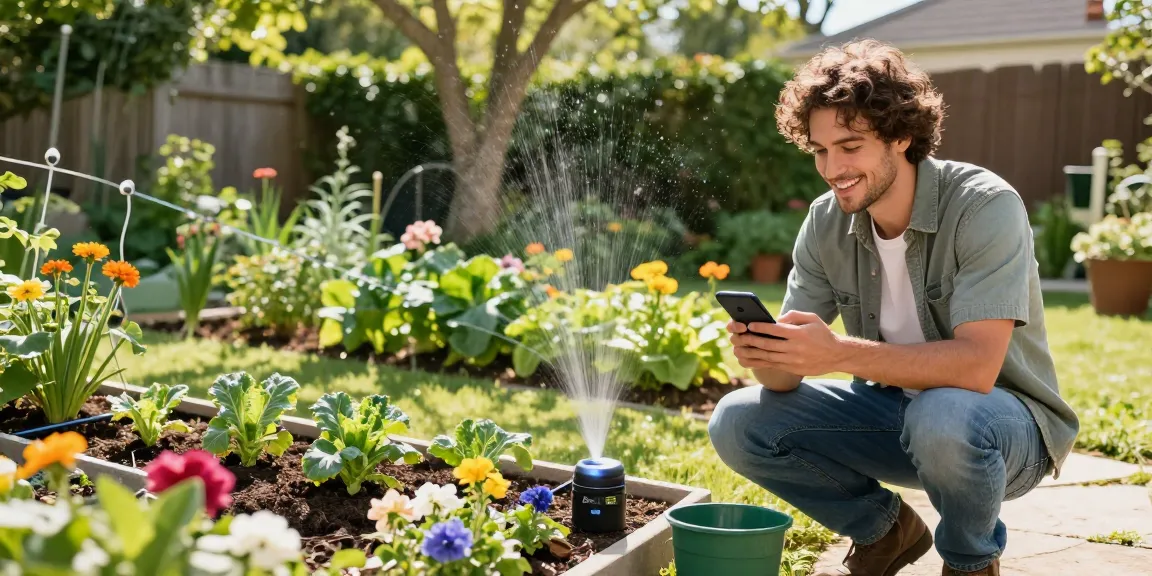
Understanding the RainPoint Sprinkler Timer
The rainpoint sprinkler timer is an innovative solution tailored for modern gardening enthusiasts and homeowners alike. It offers a smart, efficient means of managing plant irrigation, ensuring that gardens thrive while minimizing water waste. Understanding how this device works not only enhances plant care but also contributes to sustainable gardening practices that are increasingly critical in today’s water-conscious society.
What is the RainPoint Sprinkler Timer?
The RainPoint Sprinkler Timer is a smart irrigation system that automates the watering of plants, lawns, and gardens. Incorporating advanced technology, it connects to Wi-Fi, allowing you to control watering schedules directly from your smartphone or tablet through a dedicated app. This means you can easily adjust settings, monitor water usage, and ensure your plants receive the optimal moisture they need to flourish.
Key Features of the RainPoint Sprinkler Timer
- Wi-Fi Connectivity: Enables remote control and scheduling via a mobile app.
- Soil Moisture Sensors: Automatically adjusts watering based on soil moisture levels, preventing overwatering.
- Multiple Zones: Personalized control for different garden sections or indoor plants.
- User-Friendly Interface: Simple setup and intuitive app for straightforward management.
- Water Consumption Tracking: Provides valuable data on water usage, helping you make informed decisions.
Benefits of Smart Irrigation Systems
Smart irrigation systems like the RainPoint Sprinkler Timer offer numerous advantages over traditional watering methods. They not only save water but also promote healthier plant growth. By watering at optimal times and in appropriate amounts, these systems help prevent plant diseases and reduce the time spent on gardening tasks. Utilizing technology also allows for adaptability to changing weather conditions, ensuring that your garden remains well-cared for, even when you’re not around.
Setting Up Your RainPoint Sprinkler Timer
Initial Installation Guide
Installing the RainPoint Sprinkler Timer is a straightforward process. Begin by selecting an appropriate location for the timer, ideally close to a water source and within reach of your Wi-Fi signal. The timer should be connected to your garden hose or irrigation system. After securely attaching the timer, follow the manufacturer’s instructions to connect it to your water supply.
Connecting to Wi-Fi for Smart Features
Once installed, download the RainPoint app on your smartphone and create an account. The app will guide you through the Wi-Fi connection process. Ensure that your router is within range; a strong signal is crucial for optimal performance. After connecting, the app will allow you to customize your settings, enabling easy management of your watering schedules.
Customizing Your Watering Schedule
Customization is key to maximizing the efficiency of your RainPoint Sprinkler Timer. Utilize the app to set specific watering times and durations based on your garden’s needs. You can create different schedules for various plant types or garden areas, ensuring that each receives the right amount of water.
Maximizing Water Efficiency
How the RainPoint Timer Reduces Water Waste
The RainPoint Sprinkler Timer is designed with water conservation in mind. By using soil moisture sensors, the timer can determine when your plants truly need watering. This capability minimizes water waste, as it prevents unnecessary watering during rain or when the soil is already adequately moist. The insights provided by the app about your water consumption also empower you to make adjustments that further enhance efficiency.
Using Soil Sensors for Optimal Growth
Soil sensors play a pivotal role in the effectiveness of smart irrigation systems. The RainPoint Sprinkler Timer’s sensors monitor moisture levels, ensuring that plants receive water only when necessary. This technology not only conserves water but also supports plant health by reducing the risk of root rot and other issues associated with overwatering.
Tips for Effective Plant Watering
- Know Your Plants: Different species have varying water needs; customize your settings accordingly.
- Water Early or Late: Minimize evaporation by watering in the early morning or late afternoon.
- Monitor Weather Conditions: Use the app to adjust schedules based on forecasted rain or drought.
- Check Soil Moisture: Regularly assess soil moisture manually, even when using sensors, to validate readings.
Common Troubleshooting Tips
Resolving Wi-Fi Connection Issues
If you encounter difficulties connecting your RainPoint Sprinkler Timer to Wi-Fi, ensure that your router is functioning correctly and that the signal is strong in the installation area. Restarting both the timer and your router can often resolve connectivity problems. If issues persist, consult customer support for further guidance.
Adjusting Settings for Better Performance
Fine-tuning your settings is essential for optimal performance. Review your watering schedules regularly and adjust based on seasonal changes or plant growth. The RainPoint app allows for easy adjustments, enabling you to respond quickly to the evolving needs of your garden.
When to Contact Customer Service
If you encounter persistent issues with your RainPoint Sprinkler Timer that you cannot resolve through troubleshooting, don’t hesitate to contact customer service. Whether it’s a technical issue or questions regarding installation, the support team is equipped to assist and ensure your system operates smoothly.
Future of Smart Gardening Technology in 2026
Emerging Trends in Smart Irrigation
The landscape of smart irrigation technology is evolving rapidly. By 2026, we can expect to see advancements that further enhance efficiency, such as AI-driven systems that analyze weather patterns and adjust watering schedules accordingly. Integration with home automation systems will also become more prevalent, allowing for seamless control of all garden-related devices from a single platform.
Innovation in Water Conservation Technology
As global awareness about water conservation increases, innovations in this field will continue to advance. Expect to see systems that utilize data analytics to provide insights on water usage and plant health, helping gardeners make informed decisions that align with sustainable practices. Enhanced soil sensors that offer real-time feedback on soil conditions will also become standard.
Predictions for Gardening Tools and Gadgets
In addition to smart timers, new gardening tools equipped with IoT technology will enter the market, making tasks like planting, weeding, and harvesting more efficient. Drones and automated machines for larger gardens or farms may also become common, providing a future where gardening is less labor-intensive yet more productive.
What Are Soil Sensors?
Soil sensors are innovative devices that measure the moisture content in the soil, informing irrigation systems when to water. These sensors play a critical role in smart gardening, ensuring that plants receive the right amount of water at the right time. By utilizing these sensors, gardeners can enhance their watering practices, leading to healthier plants and improved water conservation.

